Skip to content
Ethics
Christianity is About Love. Christian Nationalism is Not. Calling Out the Hypocrites with John Fugelsang
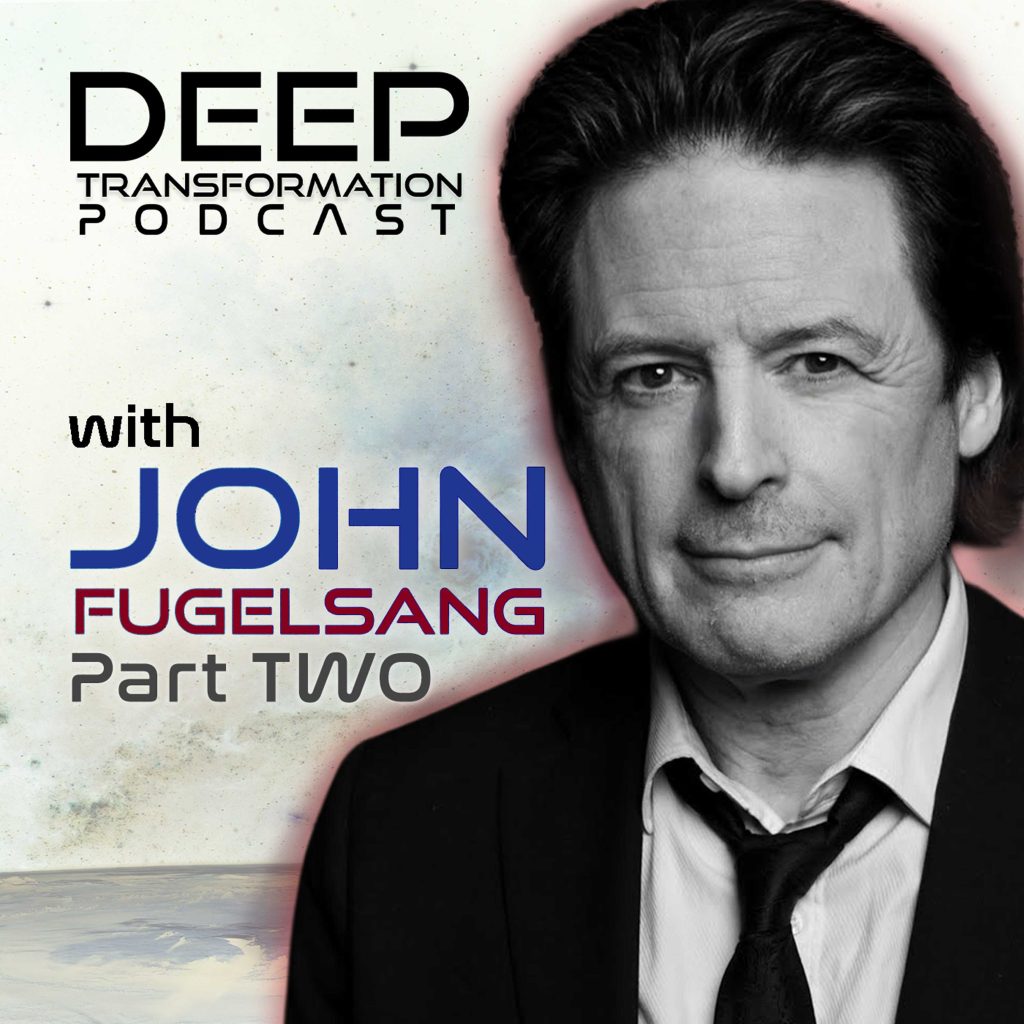
“The greatest tragedy to me is when people think that something is religion and don’t realize it’s just fundamentalism.”
In Part 2 of our eloquent, passionate, and humorous, dialogue with comedian John Fugelsang, author of the important and irreverent book, Separation of Church and Hate: A Sane Person’s Guide to Taking Back the Bible from Fundamentalists, Fascists, and Flock-Fleecing Frauds, we come to understand what fundamentalism is, and what it signifies for our culture, our politics, and our future. John outlines five common features that characterize fundamentalism across religious traditions, pointing out that fundamentalist Christians have more in common with fundamentalist Muslims than they do with moderate and liberal Christians. “I go after fundamentalists of all religions,” John says, “because it’s turning people off to faith—ruining Christianity, ruining Islam, ruining Judaism.” This is the tragedy for John and what fuels his passion for calling out the hypocrites who do hateful things in the name of religion.
John also enlightens us as to what Christian nationalism is all about, starting way back: “In the U.S., our history of Christianity is inseparable from our history of white supremacy.” Christian nationalism’s religion is power—a gospel of domination over love. Authoritarian leaders and their followers all worship power, he continues, and fills us in on how Christian nationalism is playing out in Russia now. John’s own message is not hateful; his intention is to make it clear that Jesus always taught love and kindness; to suggest that if the Church wants to survive, it needs to go back to the teachings of Jesus; and to help us come together in a common understanding of fundamental values. “It’s hard to love the bigot in your family,” John says. But we can “…hold to the deepest values, the most love, and do what needs to be done with love. We can’t hate the haters back, but we have to beat them without hating them—that’s the challenge.” Recorded December 18, 2025.
Read MoreTaking Back the Bible from Fundamentalists & Frauds (You Seriously Believe Jesus Said What?) with John Fugelsang
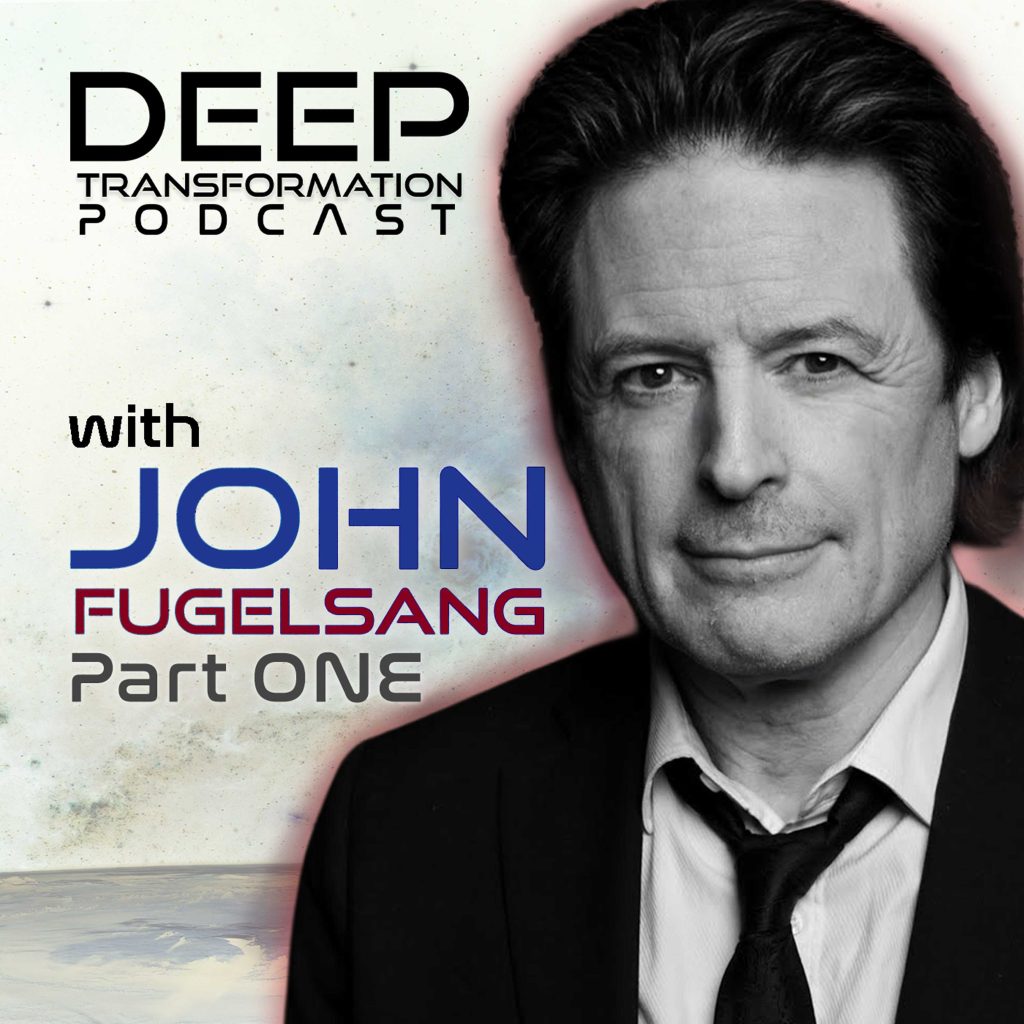
“Jesus is not about condemnation or domination; his whole movement is about transformation.”
Ep. 224 (Part 1 of 2) | John Fugelsang, author of the brilliant, irreverent book, Separation of Church and Hate: A Sane Person’s Guide to Taking Back the Bible from Fundamentalists, Fascists, and Flock-Fleecing Frauds, talks eloquently about the difference between true Christianity as taught by Jesus and the hateful teachings of Christian nationalists and televangelists who are in it for the power and the money. John grew up with a clear notion of what Christianity should look like; his parents lived their faith grounded in peace, love, empathy, and service, dedicating their lives to helping people in need, no matter their color or differences. So John set out to take the Bible back from “small-minded, right-wing, nationalist racists,” because he finds it tragic that vast numbers of people are being alienated from faith altogether, and he wanted to give his readers arguments they could use to face off with right-wing Christians about what the Bible really says. Christians and atheists have told him his book validates all of their beliefs, and he has inspired crowds of atheists to cheer loudly for Jesus.
John is an actor, comedian, and talk show host, and his quick wit and well-informed, well-intentioned intellect make for a fast-paced, enjoyable, and educational foray into subjects such as how right-wing nationalists have made Christianity out to be a religion of condemnation and domination; how they quote Saint Paul, with all of his sex hangups and homophobia, rather than Jesus; and how it’s always been the Christ followers pushing back against authoritarian Christianity—adding that Jesus’ teachings are as threatening to authoritarian power today as they were 2,000 years ago. This is a timely, very important conversation about a subject that involves all of us: reclaiming the foundational values of love, humility, open-mindedness, and service. Recorded December 18, 2025.
Can Our Democracy Be Healed? Taking Up the Fight
“To understand is to forgive.” – Dr. Michael Fischler
Ep. 220 (Part 2 of 2) | In part 2 of Sliding Towards Authoritarianism, Constitutional Law expert and Ethics professor Mark Fischler continues to explain why our democracy is faltering and considers what we might do to heal it. He further unpacks the significance of the extreme lack of civic understanding in the United States and, well informed about students’ cognitive abilities and mental health status nationwide, Professor Fischler adds the precipitous drop in achievement scores and through-the-roof diagnoses of ADHD, autism, anxiety, and depression to the mix, concluding, “You begin to see why an authoritarian world requiring only simple actions and answers would be more attractive than a democratic world that requires complexity, conversation, and the ability to see the intrinsic worth of the person across from you…the collective decision to honor democratic processes and the winner who was voted in.”
This is the challenge, Mark says: since everybody has a partial piece of the truth, we need to ask ourselves, am I curious enough to understand another’s partial piece of truth in order to enrich myself and help me understand that we are all in this together? We need to take up the fight for greater awareness that recognizes the good, the true, the beautiful, and the oneness of what is, Mark continues. Even after Mark’s poignant, in-depth look at the effects of the “course discourse” that has come to dominate the political arena and other significant factors contributing to the deterioration of our democracy, when asked what gives him hope, Mark answers, “A lot of things!” The discussion ends in a hopeful place—grim realities balanced with inspiring trends, including the growing recognition around the world that this is a global village we all live in together. Recorded December 4, 2025.
Read MoreSliding Towards Authoritarianism: Our Failing Democracy & What We Can Do About It
“An ignorant people can never remain a free people.” – Thomas Jefferson
Ep. 219 (Part 1 of 2) | Constitutional Law expert and Ethics professor Mark Fischler joins Deep Transformation again, to help us make sense of the slide towards authoritarianism happening in the United States today. Mark’s vast knowledge of the law, the Constitution, and the Supreme Court, his deep comprehension of ethics and morality, his Integral understanding, and his profound contemplative awareness all make for an extraordinary exploration of what is going on in this country at levels we don’t often consider. Beginning with examples of events in 2025 that are representative of various facets of authoritarianism, Mark goes on to discuss how the very crassness of the current Administration is undermining democracy: “We need to demand civil, fact-based discussion from our leaders, but we’re all accepting it’s okay to act like toddlers and dehumanize each other.”
Mark cites some stunning figures illustrating the widespread ignorance of democratic processes and institutions among the populace in this country, and describes why a lack of civic understanding makes us susceptible to authoritarians coming in and taking over. He also acknowledges that progressives are at fault for marginalizing conservatives, and calls on us to recognize the honor and dignity of all people, regardless of their politics—this is part of the solution, he explains. Mark’s passionate caring, wanting the best for all people and all beings, is a current that flows throughout, grounding the discussion in a beautiful way, while also making for a heartbreaking contrast relative to the chilling events happening in the political arena now. Recorded December 4, 2025.
Read More(Part 2) Assault on Democracy: The Legal, Ethical & Spiritual Implications of America’s Democratic Crisis with Mark Fischler

“The assault on democracy we are experiencing is also an assault on a spiritual understanding of the deeper nature of our existence.”
Ep. 192 (Part 2 of 2) | Professor Mark Fischler, constitutional law expert and co-host of the Integral Justice Warrior podcast, helps us make sense of what’s happening to our democracy, providing context—historical, legal, ethical—for the plethora of disturbing and destructive acts occurring on a daily basis in our political arena. The rule of law is under direct attack at this time, he explains, and an assault on democracy is essentially an assault on our most fundamental values—the principles this country was founded on: inclusivity, equality, and dignity for all.
Mark clarifies President Trump’s political actions in the context of developmental stages, unpacks Project 2025, and discusses the assault on higher education and critical thinking and what it portends. The trajectory of where we are headed, Mark points out, is regressing into values we have already transcended. We need our democratic foundation to move to deeper, post-democratic levels that are reflective of greater levels of interconnection and inclusivity—not the opposite, he says. What will it take to change the regressive trajectory? Courage! And involvement. Thank you, Mark, for bringing a rare depth and much-needed clarity to the subject of the evolving democratic crisis occurring in our nation today and its implications for our future. Recorded June 12, 2025.
Read MoreAssault on Democracy: The Legal, Ethical & Spiritual Implications of America’s Democratic Crisis with Mark Fischler (Part 1)

“The rule of law is a hard-earned process… and it’s under direct attack at this time in our country.”
Ep. 191 (Part 1 of 2) | Professor Mark Fischler, constitutional law expert and co-host of the Integral Justice Warrior podcast, helps us make sense of what’s happening to our democracy, providing context—historical, legal, ethical—for the plethora of disturbing and destructive acts occurring on a daily basis in our political arena. The rule of law is under direct attack at this time, he explains, and an assault on democracy is essentially an assault on our most fundamental values—the principles this country was founded on: inclusivity, equality, and dignity for all.
Mark clarifies President Trump’s political actions in the context of developmental stages, unpacks Project 2025, and discusses the assault on higher education and critical thinking and what it portends. The trajectory of where we are headed, Mark points out, is regressing into values we have already transcended. We need our democratic foundation to move to deeper, post-democratic levels that are reflective of greater levels of interconnection and inclusivity—not the opposite, he says. What will it take to change the regressive trajectory? Courage! And involvement. Thank you, Mark, for bringing a rare depth and much-needed clarity to the subject of the evolving democratic crisis occurring in our nation today and its implications for our future. Recorded June 12, 2025.
Read MoreKimberley Lafferty (Part 3) – The Path of Wisdom, Heart, and Ethics: A Developmental Perspective on the Journey of Awakening
“How can I reconstruct myself to be truth, goodness, and beauty?”
Ep. 176 (Part 3 of 3) | Longtime spiritual practitioner, gifted teacher, Tibetan Buddhist lama, and developmental psychology specialist Kimberley Lafferty integrates contemporary psychology and wisdom tradition in this lively, luminous conversation about the process of awakening, the evolution of ethics, and the extraordinary capacities that come online as we mature into later stages of development. What do developmental perspectives have to add to our understanding of human nature and to spiritual practice? Our meaning-making shifts radically as we develop, Kimberley says, and because of that our reality itself shifts. This is why communicating with people with very different points of view can fail so miserably—one person’s reality is simply not the same as the next person’s reality. We need to discern, what is their meaning-making reality in this moment? What is ours?
Throughout, Kimberley grounds the discussion in practical, real-life scenarios; she also shares intriguing research on later stage development that has found that as we mature, our senses evolve: our hearing evolves to deep attunement; our seeing evolves to witnessing, our capacity of touch evolves to embody presence. It’s exciting and inspiring to see the road ahead, to acquire new insights and tools to improve communication across cultural (and age) divides, to have the concept of bodhicitta unpacked so deftly and common misperceptions about emptiness corrected—and to witness Kimberley’s wise and zesty approach to life: “What connects us all is our luminous, aware consciousness,” she says, “and if we can lean into the messiness, I think we can find our way through.” Recorded October 3, 2024.
Read MoreKimberley Lafferty (Part 2) – The Path of Wisdom, Heart, and Ethics: A Developmental Perspective on the Journey of Awakening
“If we have no traditional spiritual boundaries to teach our children, we end up raising narcissists.”
Ep. 175 (Part 2 of 3) | Longtime spiritual practitioner, gifted teacher, Tibetan Buddhist lama, and developmental psychology specialist Kimberley Lafferty integrates contemporary psychology and wisdom tradition in this lively, luminous conversation about the process of awakening, the evolution of ethics, and the extraordinary capacities that come online as we mature into later stages of development. What do developmental perspectives have to add to our understanding of human nature and to spiritual practice? Our meaning-making shifts radically as we develop, Kimberley says, and because of that our reality itself shifts. This is why communicating with people with very different points of view can fail so miserably—one person’s reality is simply not the same as the next person’s reality. We need to discern, what is their meaning-making reality in this moment? What is ours?
Throughout, Kimberley grounds the discussion in practical, real-life scenarios; she also shares intriguing research on later stage development that has found that as we mature, our senses evolve: our hearing evolves to deep attunement; our seeing evolves to witnessing, our capacity of touch evolves to embody presence. It’s exciting and inspiring to see the road ahead, to acquire new insights and tools to improve communication across cultural (and age) divides, to have the concept of bodhicitta unpacked so deftly and common misperceptions about emptiness corrected—and to witness Kimberley’s wise and zesty approach to life: “What connects us all is our luminous, aware consciousness,” she says, “and if we can lean into the messiness, I think we can find our way through.” Recorded October 3, 2024.
Read MoreKimberley Lafferty (Part 1) – The Path of Wisdom, Heart, and Ethics: A Developmental Perspective on the Journey of Awakening
“Applying a developmental understanding and developmental education is essential to any situation that we have.”
Ep. 174 (Part 1 of 3) | Longtime spiritual practitioner, gifted teacher, Tibetan Buddhist lama, and developmental psychology specialist Kimberley Lafferty integrates contemporary psychology and wisdom tradition in this lively, luminous conversation about the process of awakening, the evolution of ethics, and the extraordinary capacities that come online as we mature into later stages of development. What do developmental perspectives have to add to our understanding of human nature and to spiritual practice? Our meaning-making shifts radically as we develop, Kimberley says, and because of that our reality itself shifts. This is why communicating with people with very different points of view can fail so miserably—one person’s reality is simply not the same as the next person’s reality. We need to discern, what is their meaning-making reality in this moment? What is ours?
Throughout, Kimberley grounds the discussion in practical, real-life scenarios; she also shares intriguing research on later stage development that has found that as we mature, our senses evolve: our hearing evolves to deep attunement; our seeing evolves to witnessing, our capacity of touch evolves to embody presence. It’s exciting and inspiring to see the road ahead, to acquire new insights and tools to improve communication across cultural (and age) divides, to have the concept of bodhicitta unpacked so deftly and common misperceptions about emptiness corrected—and to witness Kimberley’s wise and zesty approach to life: “What connects us all is our luminous, aware consciousness,” she says, “and if we can lean into the messiness, I think we can find our way through.” Recorded October 3, 2024.
Read MoreA. H. Almaas Wisdom Series (Dialogue 7, Part 2) – The Alchemy of Transformation: Exploring the Essence of Presence

Ep. 167 (Part 2 of 2) | In the 7th dialogue of the A. H. Almaas Wisdom Series, Hameed Ali enlightens us as to the nature of presence. Our path begins with the recognition that spirit is presence, he explains, an insight which all spiritual traditions share; this is where most of their focus lies. But this is not the end of the story, Hameed tells us—discovering spirit is only half the work. The other half is actualizing presence by clarifying and purifying our souls. Presence works as an agent of transformation in this process; appearing in our souls as curiosity and a love of truth, it leads us home. The discussion turns to virtues, the fruition of realization, and how it is that realized teachers can behave in entirely unethical ways: “realization is no guarantee of ethical behavior.”
This conversation is packed with insights regarding many related topics: how ethics most importantly concern our relations with others, that kindness becomes spontaneous for the true master, the distinction between universal grace and specific grace, how inner spaciousness or emptiness is the other side of the coin from presence or fullness, and the question arises, “Why is it that some people are interested in going deeper and others not?” Hameed also speaks of his own experience of unilocal realization, where all time and space are found in the center of the heart and accessing information from the future is possible. It is not so much I am this or that, he says, it’s simply I am. This warm, illuminating discussion has a fascinating flow and sparks many instances of quiet laughter on all sides. Recorded December 12, 2024.
Read MoreA. H. Almaas Wisdom Series (Dialogue 7, Part 1) – The Alchemy of Transformation: Exploring the Essence of Presence
Ep. 166 (Part 1 of 2) | In the 7th dialogue of the A. H. Almaas Wisdom Series, Hameed Ali enlightens us as to the nature of presence. Our path begins with the recognition that spirit is presence, he explains, an insight which all spiritual traditions share; this is where most of their focus lies. But this is not the end of the story, Hameed tells us—discovering spirit is only half the work. The other half is actualizing presence by clarifying and purifying our souls. Presence works as an agent of transformation in this process; appearing in our souls as curiosity and a love of truth, it leads us home. The discussion turns to virtues, the fruition of realization, and how it is that realized teachers can behave in entirely unethical ways: “realization is no guarantee of ethical behavior.”
This conversation is packed with insights regarding many related topics: how ethics most importantly concern our relations with others, that kindness becomes spontaneous for the true master, the distinction between universal grace and specific grace, how inner spaciousness or emptiness is the other side of the coin from presence or fullness, and the question arises, “Why is it that some people are interested in going deeper and others not?” Hameed also speaks of his own experience of unilocal realization, where all time and space are found in the center of the heart and accessing information from the future is possible. It is not so much I am this or that, he says, it’s simply I am. This warm, illuminating discussion has a fascinating flow and sparks many instances of quiet laughter on all sides. Recorded December 12, 2024.
Read MoreMark Fischler (Part 2) – Democracy in Decline? Making Sense of the Supreme Court, the Trump Trials, and Threats to Public Morality

Ep. 136 (Part 2 of 2) | Criminal justice professor and constitutional law expert Mark Fischler does a brilliant job of deepening our understanding of the challenges facing our democracy, our legal system, and our public morality. How did the democratic process and the values it represents—equality and liberty for all—come to be teetering on the brink? Mark illuminates the fact that the Constitution is not a set-in-stone document, but eminently open to interpretation, and explains that its interpretation is a direct reflection of the worldviews of the Supreme Court justices. In fact, the whole process of democracy needs to be aligned with a certain level of development in order to deliver. Mark points out that democracy hasn’t served all of us, and urges us to explore who and in what ways it has failed, that we may work to correct its flaws and continue to uphold and expand the values foundational to democracy to include respecting and protecting the rights of all beings.
Mark contrasts the moral integrity of revered public figures such as Socrates and Dr. King, who honored the rule of law despite that it went against their own self interest, with the disregard for the law so prevalent among political figures today, and points out that democracy can be subverted not only by malicious intent, but also by misplaced idealism—when people feel that supporting a charismatic leader or ideology is more important than supporting the principles of democracy. With regard to the Trump trials, the question arises, is any human above the law? Mark also shares where he finds hope—in his own university students with their openness to a deeper ethical understanding and responsibility and willingness to undertake civic action. Mark urges all of us who care about democracy to become engaged now. His wise, integral, highly informed insights about the current state of the legal system and of democracy, here and around the world, are revelatory, alarming, and inspiring in turn. Recorded May 22, 2024.
Read MoreMark Fischler (Part 1) – Democracy in Decline? Making Sense of the Supreme Court, the Trump Trials, and Threats to Public Morality
Ep. 135 (Part 1 of 2) | Criminal justice professor and constitutional law expert Mark Fischler does a brilliant job of deepening our understanding of the challenges facing our democracy, our legal system, and our public morality. How did the democratic process and the values it represents—equality and liberty for all—come to be teetering on the brink? Mark illuminates the fact that the Constitution is not a set-in-stone document, but eminently open to interpretation, and explains that its interpretation is a direct reflection of the worldviews of the Supreme Court justices. In fact, the whole process of democracy needs to be aligned with a certain level of development in order to deliver. Mark points out that democracy hasn’t served all of us, and urges us to explore who and in what ways it has failed, that we may work to correct its flaws and continue to uphold and expand the values foundational to democracy to include respecting and protecting the rights of all beings.
Mark contrasts the moral integrity of revered public figures such as Socrates and Dr. King, who honored the rule of law despite that it went against their own self interest, with the disregard for the law so prevalent among political figures today, and points out that democracy can be subverted not only by malicious intent, but also by misplaced idealism—when people feel that supporting a charismatic leader or ideology is more important than supporting the principles of democracy. With regard to the Trump trials, the question arises, is any human above the law? Mark also shares where he finds hope—in his own university students with their openness to a deeper ethical understanding and responsibility and willingness to undertake civic action. Mark urges all of us who care about democracy to become engaged now. His wise, integral, highly informed insights about the current state of the legal system and of democracy, here and around the world, are revelatory, alarming, and inspiring in turn. Recorded May 22, 2024.
Read MoreDr. Nikki Mirghafori – Bringing Ethics and Wisdom to AI: Navigating the Ever Growing Potentials & Challenges of Artificial Intelligence
Ep. 124 | In this engaging, informative, and thought provoking conversation, artificial intelligence expert Dr. Nikki Mirghafori gives us a clear picture of where AI technology stands at this point and enlightens us as to its gifts, its potential, and its dangers. Nikki, who is also an internationally acclaimed Buddhist meditation teacher, is passionate about helping to bring equanimity to the whole issue of AI and emphasizes that the fear mongering going on around it is doing all of us a real disservice. She opens our eyes to the enormous potential of AI as applied to global issues such as cleaning up the environment, ending hunger, providing clean water, improving methods of food production—even acting as a wise mentor in supporting people to be their best selves. Nikki tells us that ethical use of AI depends on both designers and users, and that we are not powerless in the way things unfold.
How can AI systems be benevolent and supportive and bring out the best in us? Will we be able to maintain our values and ethics as our use of AI continues to expand? If our perception of AI was sort of murky or limited before, this conversation effectively brings us to a much more informed understanding. Nikki explains everything from where we have been exposed to AI without knowing it, the important distinction between weak/narrow AI and strong/general AI (AGI), personal choice engineering, our natural tendency to anthropomorphize AI, and the difference between benevolent AI and compassionate AI. Nikki is a superb teacher and a pleasure to listen to; this conversation is invaluable in its timeliness and its ability to bring us all up to speed on AI. Recorded January 29, 2024.
Read MoreMarianne Williamson — A Presidential Candidate Speaks from the Heart: The Challenge of Bringing Soul & Integrity to American Politics and the 2024 Election
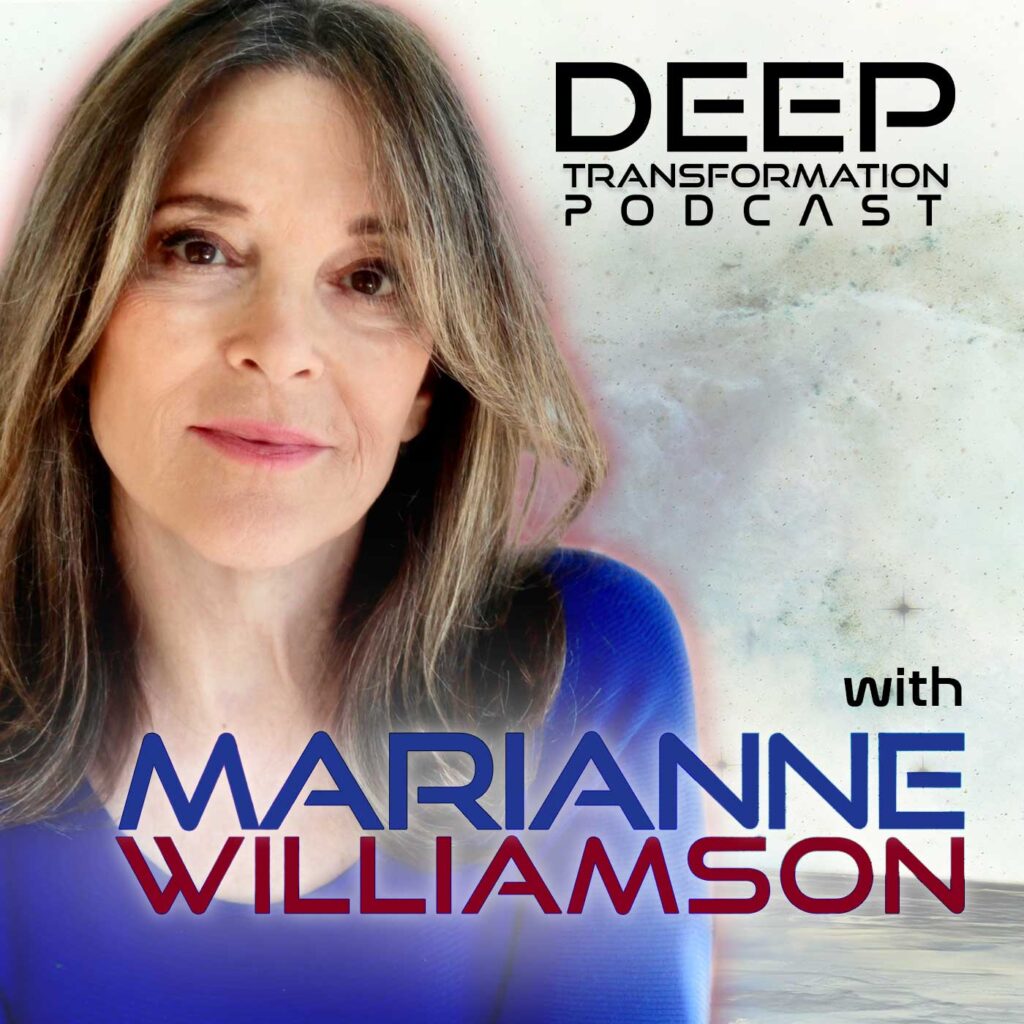
Ep. 114 | Presidential candidate Marianne Williamson is astonishing in her openness, authenticity, and candor in this moving conversation that enlightens on a spiritual level as well as a political one. First, we learn why she is running for president, and how she thinks she can help America. As Marianne explains it, her talent lies in translating what is happening so people can grasp the full picture. “Everybody sees it,” she says, talking about our money-driven culture and corrupt political system, “but not everybody can put the pieces together.” She adds that if people were to fully understand what is going on, it would create a space for transformation to occur. Marianne’s remarkable ability to consider all sides of an issue and look beyond symptoms to the root cause of some of our greatest problems is also evident, from calling on liberals to assume their share of responsibility for allowing this country to decline morally in the way that it has to her understanding of the political and psychological forces driving the Israel-Hamas war.
More than a political talk, Marianne reveals a psychological and spiritual portrait of the United States, referencing the brilliant vision of our founding fathers, Martin Luther King’s goal of Beloved Community, and telling a stirring story of the way Abraham Lincoln’s second inauguration reflects the high morality of the populace at that time. On a personal level, Marianne’s uncompromising path towards growth and transformation is both clear and inspiring—she talks about the importance of taking 100% responsibility for one’s experience, about practicing what you preach, living a life of service, and the reality of love. The only thing that is missing from any situation, Marianne tells us, is what we can do about it. Recorded January 9, 2024.
Read More