 Skip to content
Racism
Christianity is About Love. Christian Nationalism is Not. Calling Out the Hypocrites with John Fugelsang
“The greatest tragedy to me is when people think that something is religion and don’t realize it’s just fundamentalism.”
In Part 2 of our eloquent, passionate, and humorous, dialogue with comedian John Fugelsang, author of the important and irreverent book, Separation of Church and Hate: A Sane Person’s Guide to Taking Back the Bible from Fundamentalists, Fascists, and Flock-Fleecing Frauds, we come to understand what fundamentalism is, and what it signifies for our culture, our politics, and our future. John outlines five common features that characterize fundamentalism across religious traditions, pointing out that fundamentalist Christians have more in common with fundamentalist Muslims than they do with moderate and liberal Christians. “I go after fundamentalists of all religions,” John says, “because it’s turning people off to faith—ruining Christianity, ruining Islam, ruining Judaism.” This is the tragedy for John and what fuels his passion for calling out the hypocrites who do hateful things in the name of religion.
John also enlightens us as to what Christian nationalism is all about, starting way back: “In the U.S., our history of Christianity is inseparable from our history of white supremacy.” Christian nationalism’s religion is power—a gospel of domination over love. Authoritarian leaders and their followers all worship power, he continues, and fills us in on how Christian nationalism is playing out in Russia now. John’s own message is not hateful; his intention is to make it clear that Jesus always taught love and kindness; to suggest that if the Church wants to survive, it needs to go back to the teachings of Jesus; and to help us come together in a common understanding of fundamental values. “It’s hard to love the bigot in your family,” John says. But we can “…hold to the deepest values, the most love, and do what needs to be done with love. We can’t hate the haters back, but we have to beat them without hating them—that’s the challenge.” Recorded December 18, 2025.
Read MoreTaking Back the Bible from Fundamentalists & Frauds (You Seriously Believe Jesus Said What?) with John Fugelsang
“Jesus is not about condemnation or domination; his whole movement is about transformation.”
Ep. 224 (Part 1 of 2) | John Fugelsang, author of the brilliant, irreverent book, Separation of Church and Hate: A Sane Person’s Guide to Taking Back the Bible from Fundamentalists, Fascists, and Flock-Fleecing Frauds, talks eloquently about the difference between true Christianity as taught by Jesus and the hateful teachings of Christian nationalists and televangelists who are in it for the power and the money. John grew up with a clear notion of what Christianity should look like; his parents lived their faith grounded in peace, love, empathy, and service, dedicating their lives to helping people in need, no matter their color or differences. So John set out to take the Bible back from “small-minded, right-wing, nationalist racists,” because he finds it tragic that vast numbers of people are being alienated from faith altogether, and he wanted to give his readers arguments they could use to face off with right-wing Christians about what the Bible really says. Christians and atheists have told him his book validates all of their beliefs, and he has inspired crowds of atheists to cheer loudly for Jesus.
John is an actor, comedian, and talk show host, and his quick wit and well-informed, well-intentioned intellect make for a fast-paced, enjoyable, and educational foray into subjects such as how right-wing nationalists have made Christianity out to be a religion of condemnation and domination; how they quote Saint Paul, with all of his sex hangups and homophobia, rather than Jesus; and how it’s always been the Christ followers pushing back against authoritarian Christianity—adding that Jesus’ teachings are as threatening to authoritarian power today as they were 2,000 years ago. This is a timely, very important conversation about a subject that involves all of us: reclaiming the foundational values of love, humility, open-mindedness, and service. Recorded December 18, 2025.
Keith Martin-Smith (Part 3) – The Wonderful Ideals But Flawed Applications of DEI: Intolerant Tolerance, Undiverse Diversity, Unliberal Liberalism, and More

Ep. 147 (Part 3 of 3) | Award-winning author, Zen priest and teacher, Kung Fu master, and professional advisor and trainer, Keith Martin-Smith, took a good look at the diversity, equity, and inclusion movement when he began to notice the damage it was causing people he knew under the guise of progress, or equity. Putting his keen mind to the task, Keith identified seven key areas where the DEI movement goes markedly astray from the values it aspires to. Coming from an integral understanding, Keith does more than simply point out where the movement has backfired. We learn that postmodern thinking is how we became aware of the “subtle soup of racism [and bias] in the cultural field itself”—beyond the concrete, obvious social injustices that activists fought in the 20th century. This more subtle field of bias is responsible for the inequalities we see in society today, which is what the DEI movement would like to tear down. But the ways in which DEI acts to make this happen, ironically, are characterized by exactly the things that DEI is against: intolerance, inequity, undiversity, tribalism, and anti-liberalism.
In his wise, articulate, and gracious way, Keith makes sense of why the diversity, equity, and inclusion movement has become a political flashpoint, raising the hackles of not only rightwing conservatives but also liberal progressives. Sympathetic to the values of DEI, Keith is all about helping to create a more diverse, equitable, and inclusive movement. When asked how the values of DEI could be fulfilled to make it the harmonious, effective, correcting movement it aspires to be, Keith responded, “with conversations like this, for one thing,” adding, “we need to realize that everyone has a portion of truth—we just need to connect everyone’s portion of truth with their heart.” Recorded June 6, 2024.
Read MoreKeith Martin-Smith (Part 2) – The Wonderful Ideals But Flawed Applications of DEI: Intolerant Tolerance, Undiverse Diversity, Unliberal Liberalism, and More

Ep. 146 (Part 2 of 3) | Award-winning author, Zen priest and teacher, Kung Fu master, and professional advisor and trainer, Keith Martin-Smith, took a good look at the diversity, equity, and inclusion movement when he began to notice the damage it was causing people he knew under the guise of progress, or equity. Putting his keen mind to the task, Keith identified seven key areas where the DEI movement goes markedly astray from the values it aspires to. Coming from an integral understanding, Keith does more than simply point out where the movement has backfired. We learn that postmodern thinking is how we became aware of the “subtle soup of racism [and bias] in the cultural field itself”—beyond the concrete, obvious social injustices that activists fought in the 20th century. This more subtle field of bias is responsible for the inequalities we see in society today, which is what the DEI movement would like to tear down. But the ways in which DEI acts to make this happen, ironically, are characterized by exactly the things that DEI is against: intolerance, inequity, undiversity, tribalism, and anti-liberalism.
In his wise, articulate, and gracious way, Keith makes sense of why the diversity, equity, and inclusion movement has become a political flashpoint, raising the hackles of not only rightwing conservatives but also liberal progressives. Sympathetic to the values of DEI, Keith is all about helping to create a more diverse, equitable, and inclusive movement. When asked how the values of DEI could be fulfilled to make it the harmonious, effective, correcting movement it aspires to be, Keith responded, “with conversations like this, for one thing,” adding, “we need to realize that everyone has a portion of truth—we just need to connect everyone’s portion of truth with their heart.” Recorded June 6, 2024.
Read MoreKeith Martin-Smith (Part 1) – The Wonderful Ideals But Flawed Applications of DEI: Intolerant Tolerance, Undiverse Diversity, Unliberal Liberalism, and More

Ep. 145 (Part 1 of 3) | Award-winning author, Zen priest and teacher, Kung Fu master, and professional advisor and trainer, Keith Martin-Smith, took a good look at the diversity, equity, and inclusion movement when he began to notice the damage it was causing people he knew under the guise of progress, or equity. Putting his keen mind to the task, Keith identified seven key areas where the DEI movement goes markedly astray from the values it aspires to. Coming from an integral understanding, Keith does more than simply point out where the movement has backfired. We learn that postmodern thinking is how we became aware of the “subtle soup of racism [and bias] in the cultural field itself”—beyond the concrete, obvious social injustices that activists fought in the 20th century. This more subtle field of bias is responsible for the inequalities we see in society today, which is what the DEI movement would like to tear down. But the ways in which DEI acts to make this happen, ironically, are characterized by exactly the things that DEI is against: intolerance, inequity, undiversity, tribalism, and anti-liberalism.
In his wise, articulate, and gracious way, Keith makes sense of why the diversity, equity, and inclusion movement has become a political flashpoint, raising the hackles of not only rightwing conservatives but also liberal progressives. Sympathetic to the values of DEI, Keith is all about helping to create a more diverse, equitable, and inclusive movement. When asked how the values of DEI could be fulfilled to make it the harmonious, effective, correcting movement it aspires to be, Keith responded, “with conversations like this, for one thing,” adding, “we need to realize that everyone has a portion of truth—we just need to connect everyone’s portion of truth with their heart.” Recorded June 6, 2024.
Read MoreShakil Choudhury (Part 2) Deep Diversity: Integrating Psychological, Scientific & Spiritual Contributions for Healing Injustice and Inequity

Ep. 90 (Part 2 of 2) | Award-winning educator and activist Shakil Choudhury is the author of the outstanding book Deep Diversity: A Compassionate, Scientific Approach to Achieving Racial Justice, and in this potent conversation we learn a lot we perhaps didn’t know about the psychological, emotional, and neurobiological reasons for our ingrained biases, and the systemic bias in the culture at large. How and why do we discriminate? Many of our biases are hidden in the unconscious, which makes it that much harder to bring them into the light so we can begin to understand what’s going on and find ways to move ourselves and society toward justice and equity. Shakil explains that changing societal norms is at the heart of the battle for racial and social justice, as our habitual cultural behaviors tend to be viewed as legitimate, normal, and natural, when actually they may be outdated, off base, offensive, and unjust. Shakil deftly lines us out with specific steps we can take to recognize and change our own behaviors, as well as actions organizational leaders can take to effect change on a broader level.
Shakil contends that educating people to become diversity and equity literate is the first essential step, and the 360-hour program he has designed to this end has proven very effective. Once people see the data, they cannot help understanding the drivers of racial and social injustice more clearly, which leads to the place where real transformation can happen. Shakil’s extraordinarily insightful and illuminating approach is fueled by many years of contemplative practice, and he leaves us with a vision of what we are fighting for—not just what we are fighting against—based on Dr. Martin Luther King’s dream of Beloved Community. Small groups of dedicated people have managed to successfully nudge societal norms in the direction of justice in the past, and this conversation and Shakil’s book, Deep Diversity, most certainly contribute a compassionate nudge in the right direction. Bit by bit, recognizing that this is a journey, Shakil conveys both the means and the hope that justice will prevail. Recorded April 26, 2023.
Read MoreShakil Choudhury (Part 1) – Deep Diversity: Integrating Psychological, Scientific & Spiritual Contributions for Healing Injustice and Inequity
Ep. 89 (Part 1 of 2) | Award-winning educator and activist Shakil Choudhury is the author of the outstanding book Deep Diversity: A Compassionate, Scientific Approach to Achieving Racial Justice, and in this potent conversation we learn a lot we perhaps didn’t know about the psychological, emotional, and neurobiological reasons for our ingrained biases, and the systemic bias in the culture at large. How and why do we discriminate? Many of our biases are hidden in the unconscious, which makes it that much harder to bring them into the light so we can begin to understand what’s going on and find ways to move ourselves and society toward justice and equity. Shakil explains that changing societal norms is at the heart of the battle for racial and social justice, as our habitual cultural behaviors tend to be viewed as legitimate, normal, and natural, when actually they may be outdated, off base, offensive, and unjust. Shakil deftly lines us out with specific steps we can take to recognize and change our own behaviors, as well as actions organizational leaders can take to effect change on a broader level.
Shakil contends that educating people to become diversity and equity literate is the first essential step, and the 360-hour program he has designed to this end has proven very effective. Once people see the data, they cannot help understanding the drivers of racial and social injustice more clearly, which leads to the place where real transformation can happen. Shakil’s extraordinarily insightful and illuminating approach is fueled by many years of contemplative practice, and he leaves us with a vision of what we are fighting for—not just what we are fighting against—based on Dr. Martin Luther King’s dream of Beloved Community. Small groups of dedicated people have managed to successfully nudge societal norms in the direction of justice in the past, and this conversation and Shakil’s book, Deep Diversity, most certainly contribute a compassionate nudge in the right direction. Bit by bit, recognizing that this is a journey, Shakil conveys both the means and the hope that justice will prevail. Recorded April 26, 2023.
Read MoreMark Fischler (Part 2) – Building a Just World: How Our Laws Express Our Collective Values, and the Challenge of Uplifting Our Values, Law, and Society
Ep. 82 (Part 2 of 2) | Constitutional law expert and criminal justice professor Mark Fischler has a thirst for justice and a gift for teaching. With cogency and passion, Mark explains that law is not the absolute that we perhaps thought, but an ever changing reflection of the values we hold as a society. Law is a developmental process, and will benefit from our own dedication to inner moral development. Mark shows how the law can (and has) become ever more inclusive, with the potential to serve and uphold the dignity of all peoples, all beings. Because of its abstract clauses, there is room in the Constitution to interpret the law in ways that are attuned with our pluralistic society. Mark calls on us to come together and decide what we value as a people—there is no mandate in democracy that all decision making power must reside in the hands of the Supreme Court, which has only had the sort of unilateral power it enjoys today since the 1950s.
This is no dry, legalistic conversation, but a truly illuminating vision of the potential of the law to embody justice, inclusivity, compassion. It is also a solid overview of where we have come from and where we are now, referencing many landmark rulings of the Supreme Court. Finally, this is spiritually inspiring as well—Mark tells the story of the transformational epiphany he had as a young man that led to his career as a public defender, onto the spiritual path, and eventually to become a well-respected, award-winning professor of criminal justice. Mark’s perspective on the law is far ranging, embracing human rights, animal rights, the rights of all beings. It comes from a place of deep care and compassion: “What is the happiness that the Declaration of Independence talks about, what is suffering?” Be inspired by Mark’s wise and knowledgeable teachings and the potential of the law to create a just society for all. Recorded January 4, 2023.
Read MoreMark Fischler (Part 1) – Building a Just World: How Our Laws Express Our Collective Values, and the Challenge of Uplifting Our Values, Law, and Society
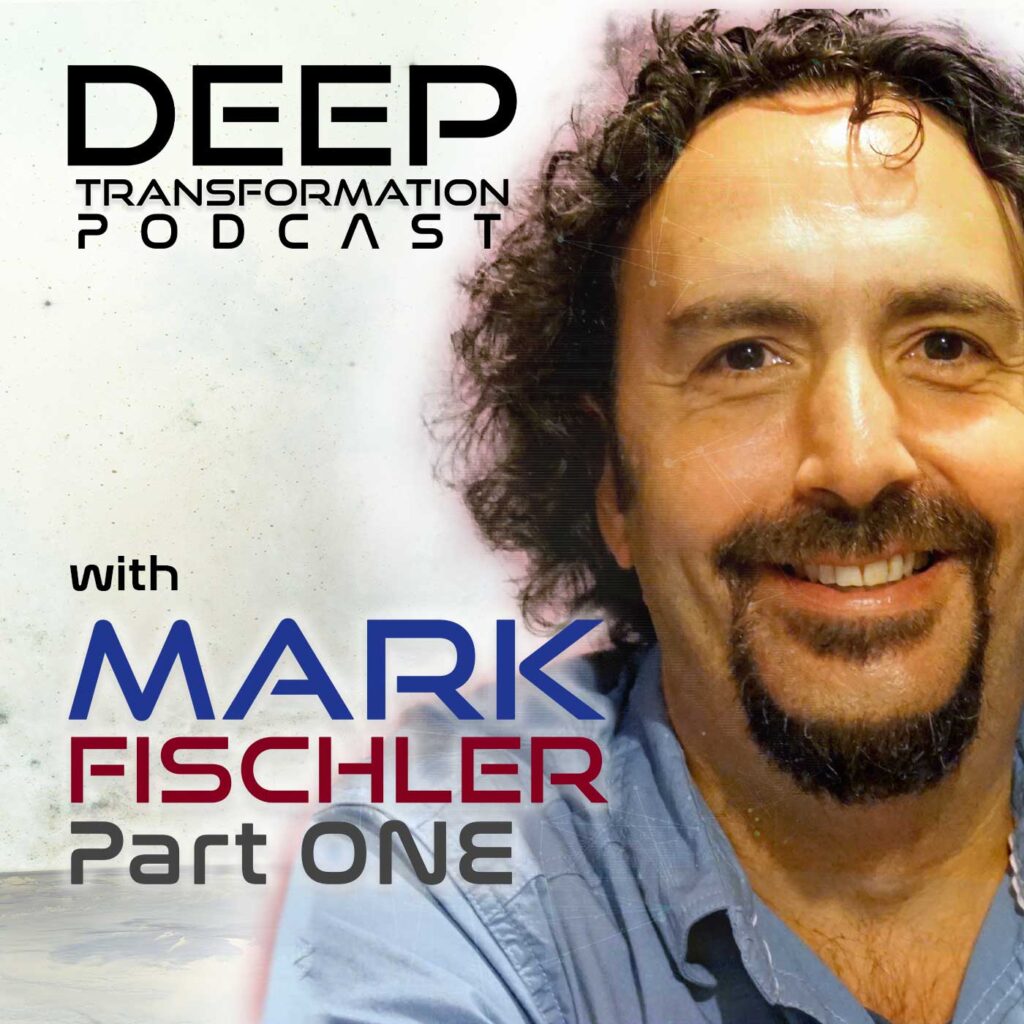
Ep. 81 (Part 1 of 2) | Constitutional law expert and criminal justice professor Mark Fischler has a thirst for justice and a gift for teaching. With cogency and passion, Mark explains that law is not the absolute that we perhaps thought, but an ever changing reflection of the values we hold as a society. Law is a developmental process, and will benefit from our own dedication to inner moral development. Mark shows how the law can (and has) become ever more inclusive, with the potential to serve and uphold the dignity of all peoples, all beings. Because of its abstract clauses, there is room in the Constitution to interpret the law in ways that are attuned with our pluralistic society. Mark calls on us to come together and decide what we value as a people—there is no mandate in democracy that all decision making power must reside in the hands of the Supreme Court, which has only had the sort of unilateral power it enjoys today since the 1950s.
This is no dry, legalistic conversation, but a truly illuminating vision of the potential of the law to embody justice, inclusivity, compassion. It is also a solid overview of where we have come from and where we are now, referencing many landmark rulings of the Supreme Court. Finally, this is spiritually inspiring as well—Mark tells the story of the transformational epiphany he had as a young man that led to his career as a public defender, onto the spiritual path, and eventually to become a well-respected, award-winning professor of criminal justice. Mark’s perspective on the law is far ranging, embracing human rights, animal rights, the rights of all beings. It comes from a place of deep care and compassion: “What is the happiness that the Declaration of Independence talks about, what is suffering?” Be inspired by Mark’s wise and knowledgable teachings and the potential of the law to create a just society for all. Recorded January 4, 2023.
Read MoreGreg Thomas (Part 2) – From Race to Culture to Cosmos: Using the Dance of Our Differences to Wise Up, Harmonize, and Actualize

Ep. 78 (Part 2 of 2) | Greg Thomas, brilliant cultural analyst, educator, musician, speaker, and co-founder of the Jazz Leadership Project, is passionate about the power of culture to transform us as individuals and collectively. Where race is concerned, Greg presents an illuminating, multiperspectival view of the many layered issues around racism in this country. Early on, Greg developed a systemic perspective on how everything fits together, and realized that the issues that plague us are not just about race or racism, but the overarching systemic racial worldview. Greg offers that the way out of this morass lies in adopting a cultural lens to replace the racial lens. And Greg points out that when we further embrace a cultural worldview in a participatory way, it opens up all the doors and windows: creating room for individuals to shine, for groups to experience group flow, for all of us to enjoy beauty and appreciation—the way soloist, band, and audience come together in a shared musical experience.
When Greg talks about the power of culture, sharing illustrative anecdotes about blues masters, blues philosophy, and great moments in jazz history, it becomes clear just how effective culture is at dissolving boundaries and heightening connection, and how music (in this case) allows us to transcend our differences, our daily burdens, and experience unbounded joy. This is a lively, impactful, and poignant dialogue, with wisdom ranging from the deeply spiritual, the psychological/developmental, to the political and universal. Recorded January 25, 2023.
Read MoreGreg Thomas (Part 1) – From Race to Culture to Cosmos: Using the Dance of Our Differences to Wise Up, Harmonize, and Actualize

Ep. 77 (Part 1 of 2) | Greg Thomas, brilliant cultural analyst, educator, musician, speaker, and co-founder of the Jazz Leadership Project, presents a beautifully illuminating, multiperspectival view of the many layered issues around racism in this country that goes way beyond conventional ideas around racism. Early on, Greg developed a systemic perspective on how everything fits together, realizing that the issues that plague us are not just about race or racism, but the overarching systemic racial worldview. Greg offers that the way out of this morass lies in adopting a cultural lens to replace the racial lens, and Greg points out that when we embrace a cultural worldview in a participatory way, it opens up all the doors and windows: creating room for individuals to shine, for groups to experience group flow, for all of us to enjoy beauty and appreciation—the way a soloist, the band, and the audience come together in a shared musical experience.
When Greg talks about the power of culture, sharing anecdotes about blues masters, blues philosophy, and great moments in jazz history, it becomes clear just how effective culture is at dissolving boundaries and heightening connection, and how music (in this case) allows us to transcend our differences, our daily burdens, and experience unbounded joy. This is a lively, impactful, and poignant dialogue, with wisdom ranging from the deeply spiritual, the psychological/developmental, to the political and universal. Recorded January 25, 2023.
Read More