Skip to content
Posts by Heidi Mitchell
A. H. Almaas Wisdom Series (Dialogue 4, Part 1) – Discovering the Soul’s Treasures: Awakening Our Deepest Capacities and Highest Potentials
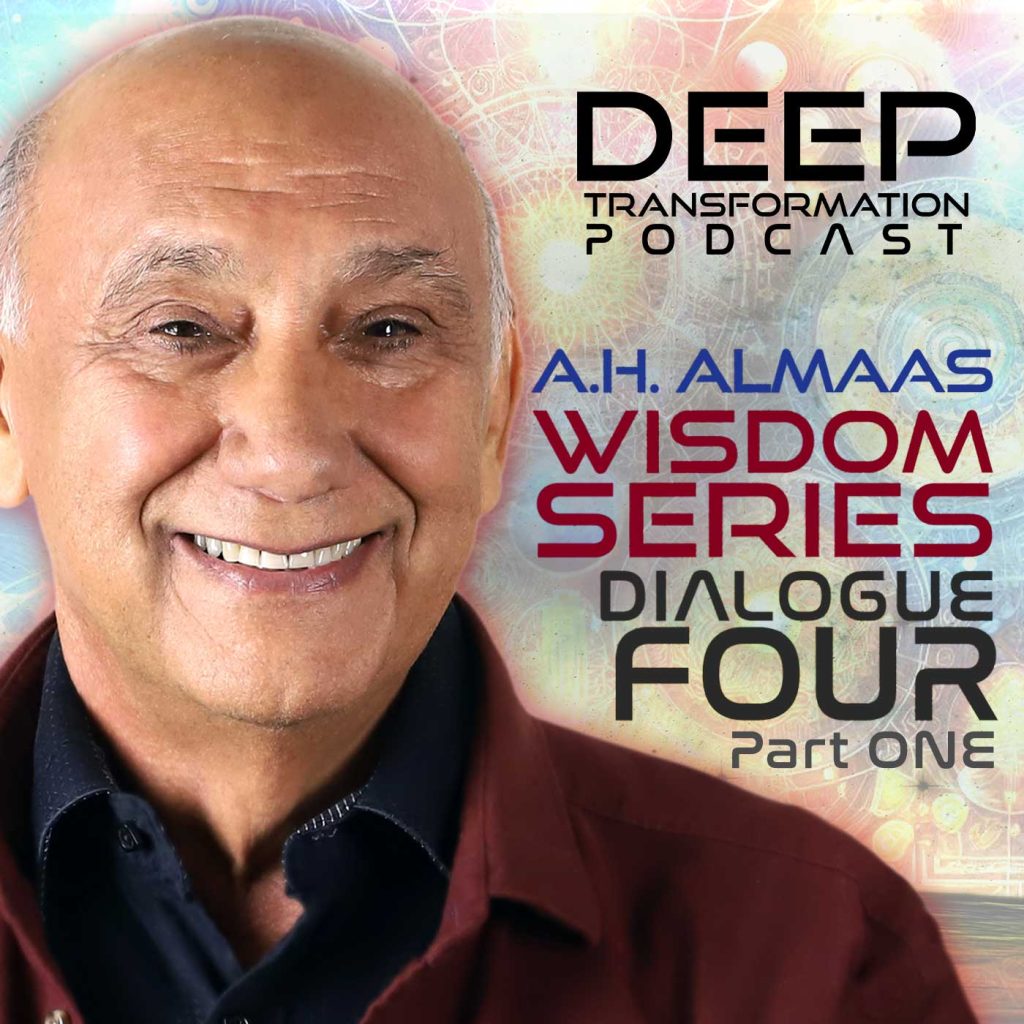
Ep. 153 (Part 1 of 2) | In this 4th dialogue of the A. H. Almaas Wisdom Series, spiritual teacher Hameed Ali explains that much of the beginning of the spiritual path is spent clarifying our individual consciousness from the conditioning of the past in order to wake up and discover our true nature. In the Diamond Approach, this is accomplished using the practice of inquiry, and as we inquire deeply within, qualities intrinsic to consciousness emerge in our awareness. These qualities—like truth, courage, steadfastness, curiosity, and love—each have their own particular sensory expression: a certain color, texture, warmth or coolness, varying degrees of sweetness. The more these qualities emerge, Hameed says, the more powerful our practice and the more authentic our life. He calls these qualities treasures of the soul.
This beautiful conversation ranges from profoundly moving, as Hameed evokes specific qualities of presence, to humorous, when he tells a funny story about Maharishi Yogi, to intensely illuminating as Hameed talks about the teaching of the first turning, the miracle of ordinary life, what it means to be spiritually mature, the nature of true sorrow, the fact that we are the universe being conscious, and how fundamental nature lies deeper than consciousness, deeper than awareness. It is a multifaceted gem, not to be missed. Recorded September 19, 2024.
Read MoreRon Interpreter (Part 2) – Ancestral Wisdom for Spirituality, Recovery & Life: An Integration of Native Traditions, Psychedelic Experiences & Integral Theory
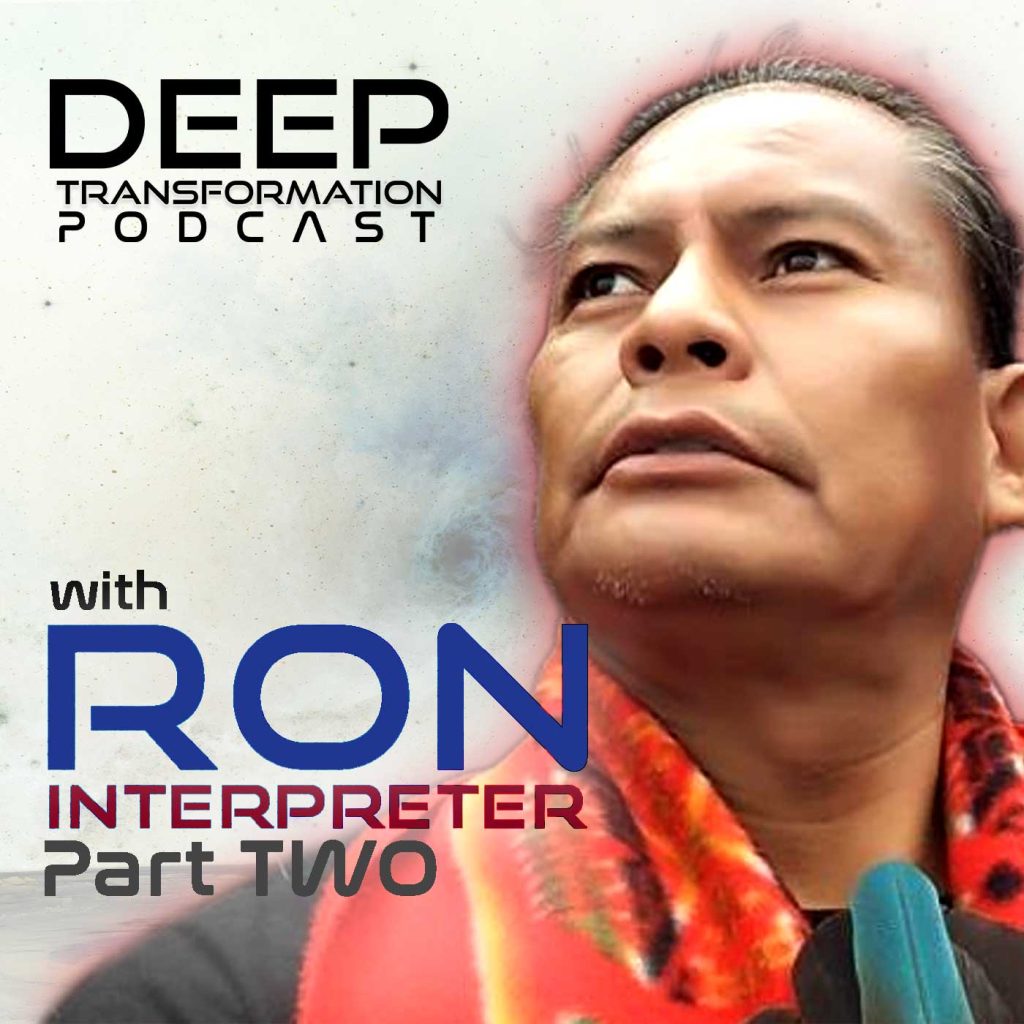
Ep. 152 (Part 2 of 2) | Life coach, recovery coach, and plant medicine ceremonialist Ron Interpreter has created a multidimensional, whole person healing modality that integrates Navajo spiritual teachings and traditions with Ken Wilber’s Integral Model and Integral spirituality. Humanity is shifting, Ron explains, and is now looking to the teachings of the ancestors and Indigenous practices that can bring a sense of authenticity, purpose, and meaning to our lives. Native spirituality teaches us how we can relate to the elements of earth, fire, water and air in terms of remedies and medicines, and also in terms of beliefs and emotional connections. Plant medicine and other mind-altering ceremonies provide us with the means to get beyond the psychological limitations we put on ourselves, attain higher states of consciousness, and receive answers to our deepest questions.
With a calm, articulate fervency, Ron shares the ancestral wisdom he teaches to people in recovery or who are suffering from trauma, including special ops forces and veterans: the Native concepts of taking responsibility, being accountable, forging a relationship with God or Spirit, and living from a profound understanding of what it means to be a human being. “We are in the creation of self—how do we practice our selves?” Ron asks. The Indigenous teachings that Ron brings forward provide a deep sense of grounding in Nature and Spirit, as we come to a better understanding of our place in the universe and the practices that can open us up to living in a sacred way, in connection with divine being. Recorded August 1, 2024.
Read MoreRon Interpreter (Part 1) – Ancestral Wisdom for Spirituality, Recovery & Life: An Integration of Native Traditions, Psychedelic Experiences & Integral Theory
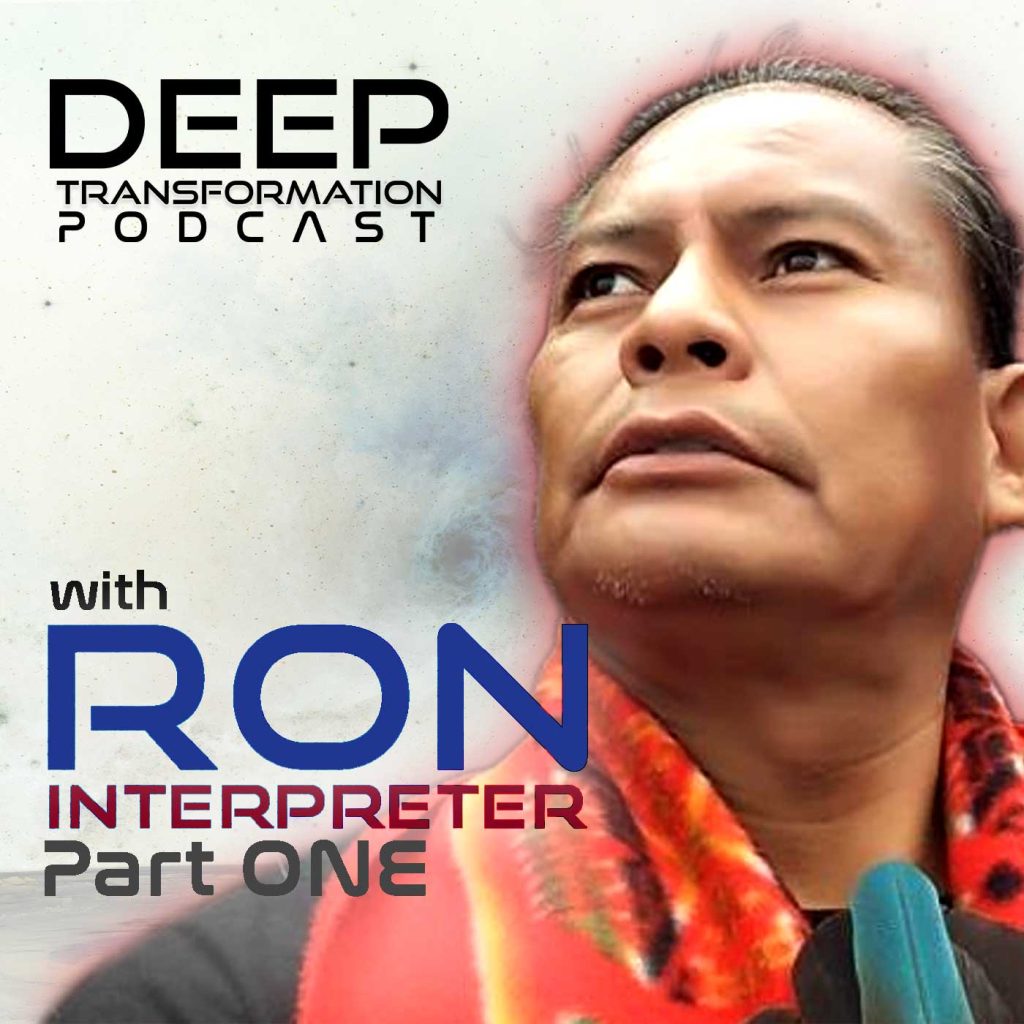
Ep. 151 (Part 1 of 2) | Life coach, recovery coach, and plant medicine ceremonialist Ron Interpreter has created a multidimensional, whole person healing modality that integrates Navajo spiritual teachings and traditions with Ken Wilber’s Integral Model and Integral spirituality. Humanity is shifting, Ron explains, and is now looking to the teachings of the ancestors and Indigenous practices that can bring a sense of authenticity, purpose, and meaning to our lives. Native spirituality teaches us how we can relate to the elements of earth, fire, water and air in terms of remedies and medicines, and also in terms of beliefs and emotional connections. Plant medicine and other mind-altering ceremonies provide us with the means to get beyond the psychological limitations we put on ourselves, attain higher states of consciousness, and receive answers to our deepest questions.
With a calm, articulate fervency, Ron shares the ancestral wisdom he teaches to people in recovery or who are suffering from trauma, including special ops forces and veterans: the Native concepts of taking responsibility, being accountable, forging a relationship with God or Spirit, and living from a profound understanding of what it means to be a human being. “We are in the creation of self—how do we practice ourselves?” Ron asks. The Indigenous teachings that Ron brings forward provide a deep sense of grounding in Nature and Spirit, as we come to a better understanding of our place in the universe and the practices that can open us up to living in a sacred way, in connection with divine being. Recorded August 1, 2024.
Read MoreA. H. Almaas Wisdom Series (Dialogue 3, Part 2) – What is Consciousness? The Key to Experiencing Our True Nature
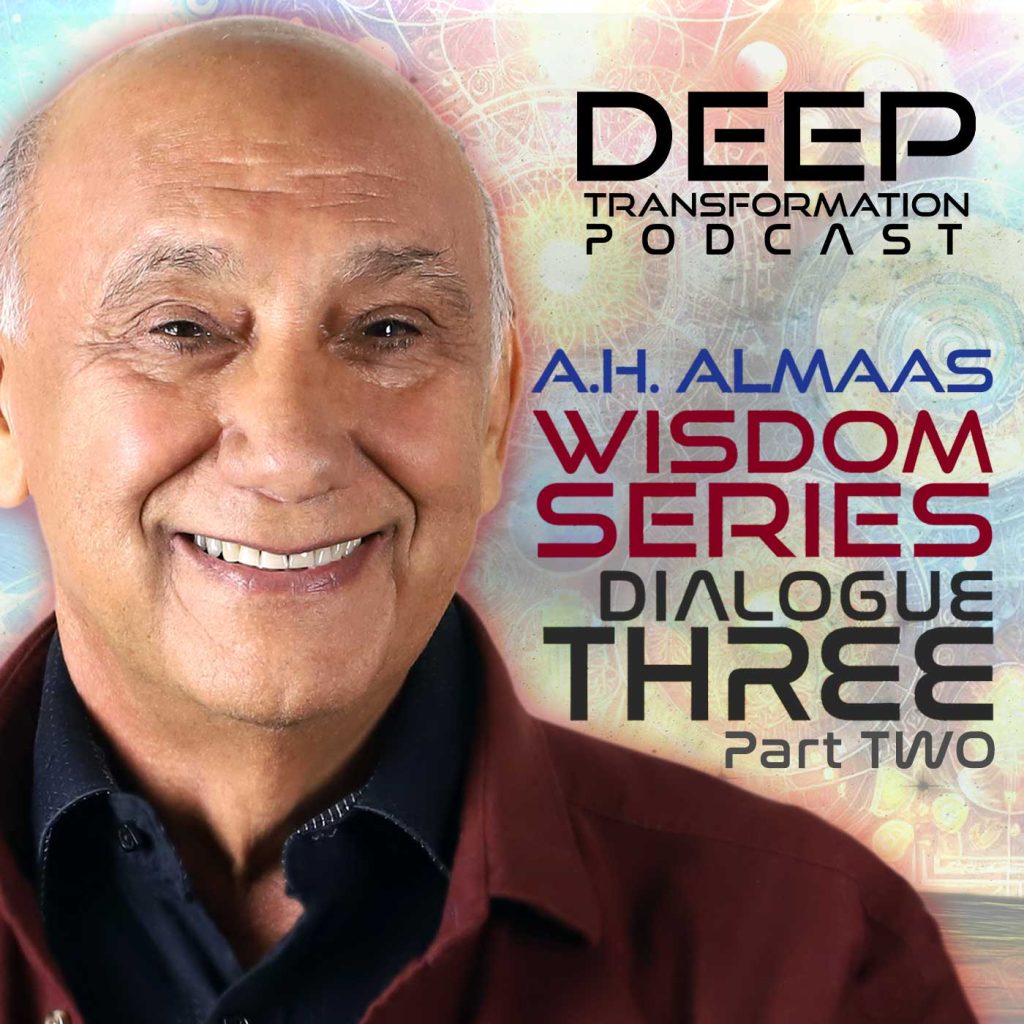
Ep. 150 (Part 2 of 2) | In the third dialogue of the A. H. Almaas Wisdom Series, Hameed Ali brings us to a deeper understanding of individual consciousness, our true nature, in relation to pure consciousness. Once we come to know what consciousness is, he says, our spiritual experience truly begins. The conversation flows through many illuminating teachings: how true nature manifests itself in many ways—there is no one way, no final way; reality is only what we perceive it to be—there is no hard and fast reality “out there;” and the ego is not some sort of developmental mistake—it only becomes a problem if we become fixated on it. Psychology helps us see how the soul became the ego, Hameed explains, and psychodynamics reflect how our individual consciousness becomes imprinted by experience, the effects of which can be unraveled through spiritual inquiry.
When asked how he is able to write so remarkably clearly and concisely, fine-cut like a diamond, Hameed explains that the teachings articulate themselves as he writes by becoming his direct experience in the moment. He is not channeling, nor is his individual self expressing an opinion, the teaching simply expresses itself by becoming his true nature. This conversation is inspiring on many levels as consciousness becomes more graspable and because, as Roger says, Hameed’s teaching is grounded in our being capable of realizing being. At the end, Hameed gives a beautifully resonant account of why we love freedom. Once again, Hameed’s profound teachings come as a transmission and are a joy to receive. Recorded August 8, 2024.
Read MoreA. H. Almaas Wisdom Series (Dialogue 3, Part 1) – What is Consciousness? The Key to Experiencing Our True Nature
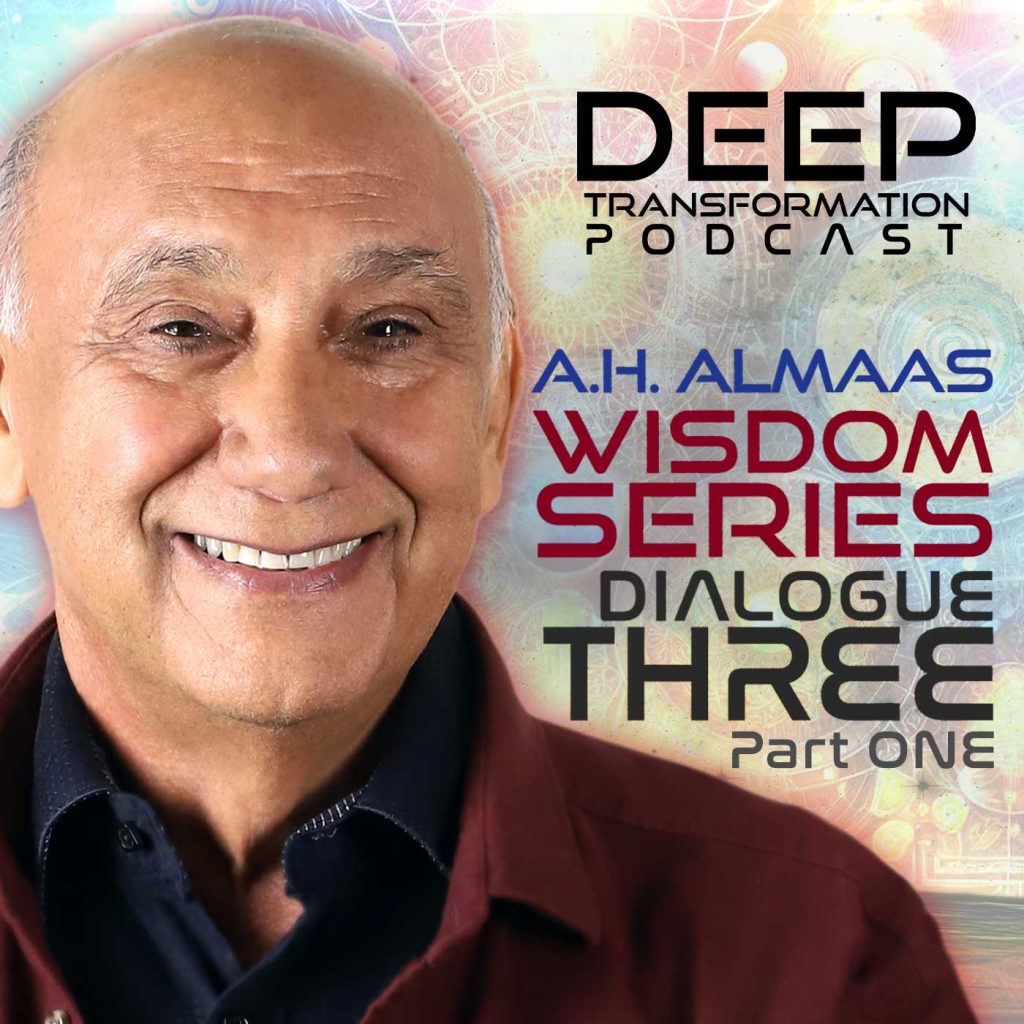
Ep. 149 (Part 1 of 2) | In the third dialogue of the A. H. Almaas Wisdom Series, Hameed Ali brings us to a deeper understanding of individual consciousness, our true nature, in relation to pure consciousness. Once we come to know what consciousness is, he says, our spiritual experience truly begins. The conversation flows through many illuminating teachings: how true nature manifests itself in many ways—there is no one way, no final way; reality is only what we perceive it to be—there is no hard and fast reality “out there;” and the ego is not some sort of developmental mistake—it only becomes a problem if we become fixated on it. Psychology helps us see how the soul became the ego, Hameed explains, and psychodynamics reflect how our individual consciousness becomes imprinted by experience, the effects of which can be unraveled through spiritual inquiry.
When asked how he is able to write so remarkably clearly and concisely, fine-cut like a diamond, Hameed explains that the teachings articulate themselves as he writes by becoming his direct experience in the moment. He is not channeling, nor is his individual self expressing an opinion, the teaching simply expresses itself by becoming his true nature. This conversation is inspiring on many levels as consciousness becomes more graspable and because, as Roger says, Hameed’s teaching is grounded in our being capable of realizing being. At the end, Hameed gives a beautifully resonant account of why we love freedom. Once again, Hameed’s profound teachings come as a transmission and are a joy to receive. Recorded August 8, 2024.
Read MoreCindy Wigglesworth – Spiritual Intelligence: 21 Skills That Underlie Our Capacities for Wisdom, Compassion & Love in Action
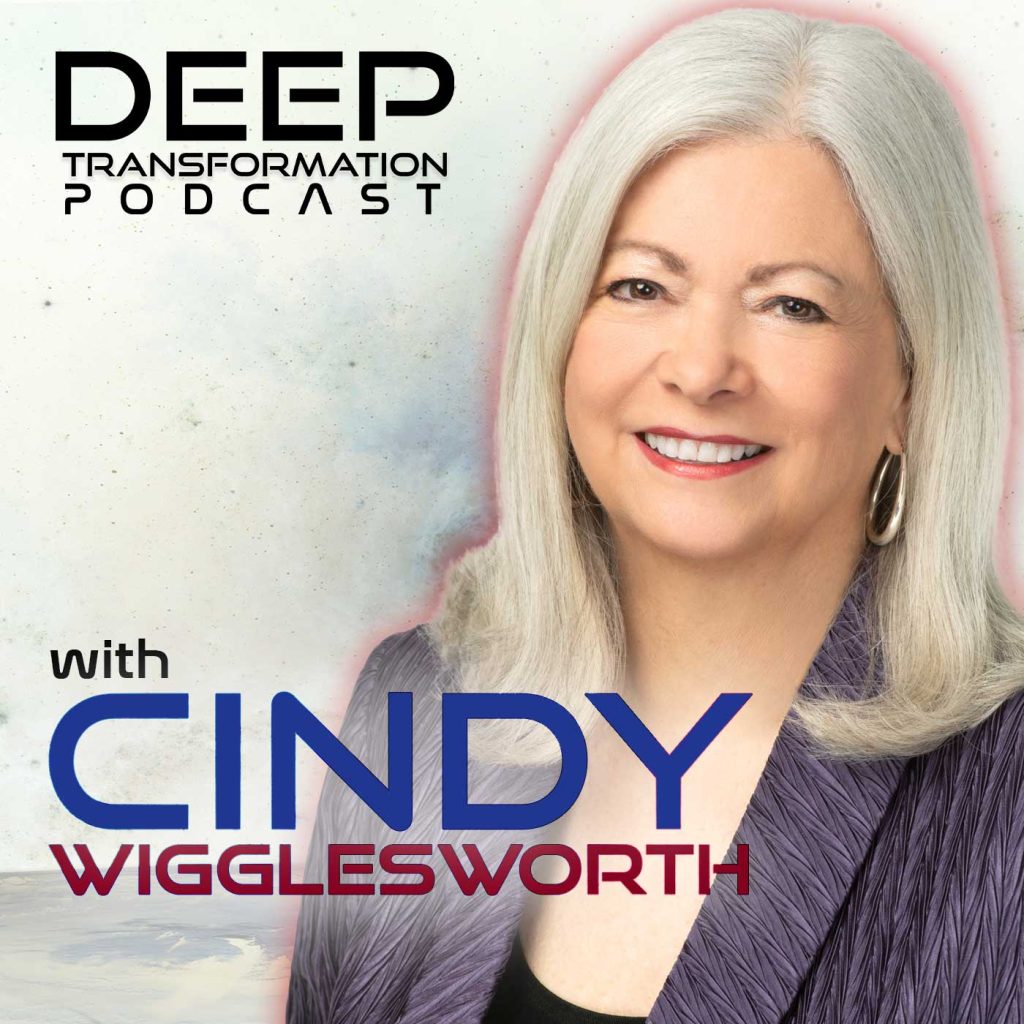
Cindy Wigglesworth, trailblazer in the field of spiritual intelligence, has created an assessment tool that identifies our spiritual strengths and weaknesses—qualities that fall outside the traditional IQ or emotional intelligence (EQ) parameters—in order to provide a guide for determining which skills we as individuals need to develop in order to show up in the world as love in action. Early on, Cindy recognized the profound benefits that both spiritual practice and EQ assessments had in her leadership development work, wishing only there was a map similar to what EQ offers but going one step higher, to lead people in the realm of spiritual development. So she created a multidimensional self-assessment tool to do just that, wrote the book SQ21: The 21 Skills of Spiritual Intelligence, and founded the global leadership development network Deep Change.
Cindy’s dedication, brilliant intellect, integral understanding, and the effects of a lifetime of spiritual motivation and practice are abundantly evident in this warmly personal, articulate, and inspiring conversation about spirituality and how we can come to embody the values we aspire to. It’s easy to love people in the abstract, Cindy points out, but how we actually behave is what’s critical. What would love see? she asks, when talking about the practice of reframing. As co-host John Dupuy said, this conversation is like “an infusion of spiritual vitamins.” It’s also very timely—Cindy reflects that spiritual intelligence skills and learning how to sustain faith are more important than ever in these times of polarization and crisis. Recorded July 18, 2024.
Read MoreKeith Martin-Smith (Part 3) – The Wonderful Ideals But Flawed Applications of DEI: Intolerant Tolerance, Undiverse Diversity, Unliberal Liberalism, and More

Ep. 147 (Part 3 of 3) | Award-winning author, Zen priest and teacher, Kung Fu master, and professional advisor and trainer, Keith Martin-Smith, took a good look at the diversity, equity, and inclusion movement when he began to notice the damage it was causing people he knew under the guise of progress, or equity. Putting his keen mind to the task, Keith identified seven key areas where the DEI movement goes markedly astray from the values it aspires to. Coming from an integral understanding, Keith does more than simply point out where the movement has backfired. We learn that postmodern thinking is how we became aware of the “subtle soup of racism [and bias] in the cultural field itself”—beyond the concrete, obvious social injustices that activists fought in the 20th century. This more subtle field of bias is responsible for the inequalities we see in society today, which is what the DEI movement would like to tear down. But the ways in which DEI acts to make this happen, ironically, are characterized by exactly the things that DEI is against: intolerance, inequity, undiversity, tribalism, and anti-liberalism.
In his wise, articulate, and gracious way, Keith makes sense of why the diversity, equity, and inclusion movement has become a political flashpoint, raising the hackles of not only rightwing conservatives but also liberal progressives. Sympathetic to the values of DEI, Keith is all about helping to create a more diverse, equitable, and inclusive movement. When asked how the values of DEI could be fulfilled to make it the harmonious, effective, correcting movement it aspires to be, Keith responded, “with conversations like this, for one thing,” adding, “we need to realize that everyone has a portion of truth—we just need to connect everyone’s portion of truth with their heart.” Recorded June 6, 2024.
Read MoreKeith Martin-Smith (Part 2) – The Wonderful Ideals But Flawed Applications of DEI: Intolerant Tolerance, Undiverse Diversity, Unliberal Liberalism, and More

Ep. 146 (Part 2 of 3) | Award-winning author, Zen priest and teacher, Kung Fu master, and professional advisor and trainer, Keith Martin-Smith, took a good look at the diversity, equity, and inclusion movement when he began to notice the damage it was causing people he knew under the guise of progress, or equity. Putting his keen mind to the task, Keith identified seven key areas where the DEI movement goes markedly astray from the values it aspires to. Coming from an integral understanding, Keith does more than simply point out where the movement has backfired. We learn that postmodern thinking is how we became aware of the “subtle soup of racism [and bias] in the cultural field itself”—beyond the concrete, obvious social injustices that activists fought in the 20th century. This more subtle field of bias is responsible for the inequalities we see in society today, which is what the DEI movement would like to tear down. But the ways in which DEI acts to make this happen, ironically, are characterized by exactly the things that DEI is against: intolerance, inequity, undiversity, tribalism, and anti-liberalism.
In his wise, articulate, and gracious way, Keith makes sense of why the diversity, equity, and inclusion movement has become a political flashpoint, raising the hackles of not only rightwing conservatives but also liberal progressives. Sympathetic to the values of DEI, Keith is all about helping to create a more diverse, equitable, and inclusive movement. When asked how the values of DEI could be fulfilled to make it the harmonious, effective, correcting movement it aspires to be, Keith responded, “with conversations like this, for one thing,” adding, “we need to realize that everyone has a portion of truth—we just need to connect everyone’s portion of truth with their heart.” Recorded June 6, 2024.
Read MoreKeith Martin-Smith (Part 1) – The Wonderful Ideals But Flawed Applications of DEI: Intolerant Tolerance, Undiverse Diversity, Unliberal Liberalism, and More

Ep. 145 (Part 1 of 3) | Award-winning author, Zen priest and teacher, Kung Fu master, and professional advisor and trainer, Keith Martin-Smith, took a good look at the diversity, equity, and inclusion movement when he began to notice the damage it was causing people he knew under the guise of progress, or equity. Putting his keen mind to the task, Keith identified seven key areas where the DEI movement goes markedly astray from the values it aspires to. Coming from an integral understanding, Keith does more than simply point out where the movement has backfired. We learn that postmodern thinking is how we became aware of the “subtle soup of racism [and bias] in the cultural field itself”—beyond the concrete, obvious social injustices that activists fought in the 20th century. This more subtle field of bias is responsible for the inequalities we see in society today, which is what the DEI movement would like to tear down. But the ways in which DEI acts to make this happen, ironically, are characterized by exactly the things that DEI is against: intolerance, inequity, undiversity, tribalism, and anti-liberalism.
In his wise, articulate, and gracious way, Keith makes sense of why the diversity, equity, and inclusion movement has become a political flashpoint, raising the hackles of not only rightwing conservatives but also liberal progressives. Sympathetic to the values of DEI, Keith is all about helping to create a more diverse, equitable, and inclusive movement. When asked how the values of DEI could be fulfilled to make it the harmonious, effective, correcting movement it aspires to be, Keith responded, “with conversations like this, for one thing,” adding, “we need to realize that everyone has a portion of truth—we just need to connect everyone’s portion of truth with their heart.” Recorded June 6, 2024.
Read MoreA. H. Almaas Wisdom Series (Dialogue 2, Part 2) – Exploring the Depths of the Soul: Bridging Ancient Wisdom & Modern Psychology Using the Practice of Inquiry
Ep. 144 (Part 2 of 2) | In the second A. H. Almaas Wisdom Series conversation, Hameed Ali describes how the practice of inquiry can aid us on our spiritual journey, illuminating our understanding of our personal experience and our soul. He uses the example of inquiring into a sense of worthlessness to illustrate what happens as we begin to investigate the terrain of our consciousness. There comes a point when the inquiry leads beyond where a psychologist would normally end—when it slips from psychological into spiritual inquiry. “If you stay with the wounding, something will emerge: a sense of inherent value. You recognize ‘I am presence’ and this presence has value—all the way to nondual presence and beyond.”
In introducing us to the Diamond Approach’s inquiry technique, Hameed covers a rich array of topics: the dynamism of consciousness; the importance of scientific objectivity in our exploration of inner experience; modern psychology’s revelation of how our sense of self develops; the essential qualities of curiosity and love of truth; and how understanding the ways in which the past influences the present disentangles it. Hameed is a masterful teacher—with just a few words he can illuminate vast territories of spiritual landscape for the purpose of helping his students learn to live their lives from a deeper, liberated condition. Rather than aiming to transcend our experience, Hameed assures us there is a way through, an unraveling we can do, as we discover never-ending realizations about individual consciousness and the nature of reality. Recorded July 4, 2024.
Read MoreA. H. Almaas Wisdom Series (Dialogue 2, Part 1) – Exploring the Depths of the Soul: Bridging Ancient Wisdom & Modern Psychology Using the Practice of Inquiry
Ep. 143 (Part 1 of 2) | In the second A. H. Almaas Wisdom Series conversation, Hameed Ali describes how the practice of inquiry can aid us on our spiritual journey, illuminating our understanding of our personal experience and our soul. He uses the example of inquiring into a sense of worthlessness to illustrate what happens as we begin to investigate the terrain of our consciousness. There comes a point when the inquiry leads beyond where a psychologist would normally end—when it slips from psychological into spiritual inquiry. “If you stay with the wounding, something will emerge: a sense of inherent value. You recognize ‘I am presence’ and this presence has value—all the way to nondual presence and beyond.”
In introducing us to the Diamond Approach’s inquiry technique, Hameed covers a rich array of topics: the dynamism of consciousness; the importance of scientific objectivity in our exploration of inner experience; modern psychology’s revelation of how our sense of self develops; the essential qualities of curiosity and love of truth; and how understanding the ways in which the past influences the present disentangles it. Hameed is a masterful teacher—with just a few words he can illuminate vast territories of spiritual landscape for the purpose of helping his students learn to live their lives from a deeper, liberated condition. Rather than aiming to transcend our experience, Hameed assures us there is a way through, an unraveling we can do, as we discover never-ending realizations about individual consciousness and the nature of reality. Recorded July 4, 2024.
Read MoreJeremy Lent (Part 2) – Big Picture Systems Thinking: A Key Practice for Understanding, Transforming, and Preserving Civilization

Ep. 142 (Part 2 of 2) | Award-winning author of The Web of Meaning and founder of the Deep Transformation Network, Jeremy Lent, relates how his discovery of systems thinking opened the door to a whole new way of making sense of the world and illumined his in depth exploration of what creates meaning. In looking into what forms concepts like God, soul, humanity, nature, and science, Jeremy came to understand the thinking that has led to the existential crisis we face now, then began to explore what it would take to break out of the worldview that has caused so much destruction on so many levels. Jeremy integrates systems thinking with concepts from evolutionary biology, neuroscience, ecology, and traditional and indigenous wisdom, forming a holistic view of science, where “maybe the distinction between science and spirituality isn’t really valid.”
Jeremy’s heartfelt intention is to act as translator—to make it enjoyable for people to explore difficult concepts like consciousness and evolutionary biology they might otherwise steer away from—as well as be a catalyst for large-scale transformation. His vision of a potential future “ecological civilization” builds on the evolutionary success of life itself—ecosystems living in mutual symbiosis—and includes the idea of “islands of coherence” which would provide a bridge from a disintegrating society to a new and flourishing one. Systems thinking, like indigenous wisdom, recognizes the deep connectedness of all things, a realization, Jeremy points out, that leads to the knowing that nothing is inevitable and the choices we make matter. Jeremy leaves us with a sense of agency and of liberation, as well as a sense of responsibility to work together in the shaping of a life-affirming, sustainable future. Recorded June 20, 2024.
Read MoreJeremy Lent (Part 1) – Big Picture Systems Thinking: A Key Practice for Understanding, Transforming, and Preserving Civilization

Ep. 141 (Part 1 of 2) | Award-winning author of The Web of Meaning and founder of the Deep Transformation Network, Jeremy Lent, relates how his discovery of systems thinking opened the door to a whole new way of making sense of the world and illumined his in depth exploration of what creates meaning. In looking into what forms concepts like God, soul, humanity, nature, and science, Jeremy came to understand the thinking that has led to the existential crisis we face now, then began to explore what it would take to break out of the worldview that has caused so much destruction on so many levels. Jeremy integrates systems thinking with concepts from evolutionary biology, neuroscience, ecology, and traditional and indigenous wisdom, forming a holistic view of science, where “maybe the distinction between science and spirituality isn’t really valid.”
Jeremy’s heartfelt intention is to act as translator—to make it enjoyable for people to explore difficult concepts like consciousness and evolutionary biology they might otherwise steer away from—as well as be a catalyst for large-scale transformation. His vision of a potential future “ecological civilization” builds on the evolutionary success of life itself—ecosystems living in mutual symbiosis—and includes the idea of “islands of coherence” which would provide a bridge from a disintegrating society to a new and flourishing one. Systems thinking, like indigenous wisdom, recognizes the deep connectedness of all things, a realization, Jeremy points out, that leads to the knowing that nothing is inevitable and the choices we make matter. Jeremy leaves us with a sense of agency and of liberation, as well as a sense of responsibility to work together in the shaping of a life-affirming, sustainable future. Recorded June 20, 2024.
Read MoreRoger Walsh (Part 2) – The Mysterious World of Shamanism: The Power, Practices, and Implications of Humankind’s Most Ancient & Enduring Tradition
Ep. 140 (Part 1 of 2) | Author, psychiatrist, professor, and Deep Transformation podcast co-host Roger Walsh was drawn to explore the remarkable world of shamanism—a tradition of opening to altered states, intuition, and profound insights and wisdom—when he found it was the one great world tradition he didn’t understand. He was intrigued by Romanian scholar Mircea Eliade’s description of the core feature of a shaman being “ecstatic flight,” and recognizing the lack of any easy to understand book on the subject, Roger was inspired to pursue this subject in depth and write the book himself! In his book and in this conversation, Roger provides us with a brilliant, big picture perspective, pointing out that at the heart of shamanism (and every great world tradition) are psychospiritual technologies—actual practices—that lead us to the doorway of the Great Mystery, and that service is the culmination of each tradition, both as a means to and an expression of one’s realization.
The dialogue is warm, open, and personal—Roger shares his experience of realizing the vastness of the inner world for the first time (“I felt like I’d lived my entire life on the top six inches of a wave on top of an ocean I didn’t even know existed!”), his realization that “as a culture, we are sleepwalking through life, unaware of the resources, capacities and gifts we bear within us,” and his coming to terms with the Great Mystery. John, too, shares his experiences within the Native American spiritual tradition: the power of the vision quest, prayer, drumming in ceremony, death medicine, and enduring trials in service to one’s people. Roger’s wonderful curiosity, integrity, graciousness, and keen intellect are all in evidence as he discusses the indeterminacy of spirit, mediumship, journeying, and death, and as he marvels at the bottomless, boundless mystery that both surrounds us and is us. Recorded June 27, 2024.
Read MoreRoger Walsh (Part 1) – The Mysterious World of Shamanism: The Power, Practices, and Implications of Humankind’s Most Ancient & Enduring Tradition
Ep. 139 (Part 1 of 2) | Author, psychiatrist, professor, and Deep Transformation podcast co-host Roger Walsh was drawn to explore the remarkable world of shamanism—a tradition of opening to altered states, intuition, and profound insights and wisdom—when he found it was the one great world tradition he didn’t understand. He was intrigued by Romanian scholar Mircea Eliade’s description of the core feature of a shaman being “ecstatic flight,” and recognizing the lack of any easy to understand book on the subject, Roger was inspired to pursue this subject in depth and write the book himself! In his book and in this conversation, Roger provides us with a brilliant, big picture perspective, pointing out that at the heart of shamanism (and every great world tradition) are psychospiritual technologies—actual practices—that lead us to the doorway of the Great Mystery, and that service is the culmination of each tradition, both as a means to and an expression of one’s realization.
The dialogue is warm, open, and personal—Roger shares his experience of realizing the vastness of the inner world for the first time (“I felt like I’d lived my entire life on the top six inches of a wave on top of an ocean I didn’t even know existed!”), his realization that “as a culture, we are sleepwalking through life, unaware of the resources, capacities and gifts we bear within us,” and his coming to terms with the Great Mystery. John, too, shares his experiences within the Native American spiritual tradition: the power of the vision quest, prayer, drumming in ceremony, death medicine, and enduring trials in service to one’s people. Roger’s wonderful curiosity, integrity, graciousness, and keen intellect are all in evidence as he discusses the indeterminacy of spirit, mediumship, journeying, and death, and as he marvels at the bottomless, boundless mystery that both surrounds us and is us. Recorded June 27, 2024.
Read More