Skip to content
Relationships
When One Sex Loses, Everyone Loses: Warren Farrell on the Boy Crisis, Dad-Deprivation & Healing the Gender Divide
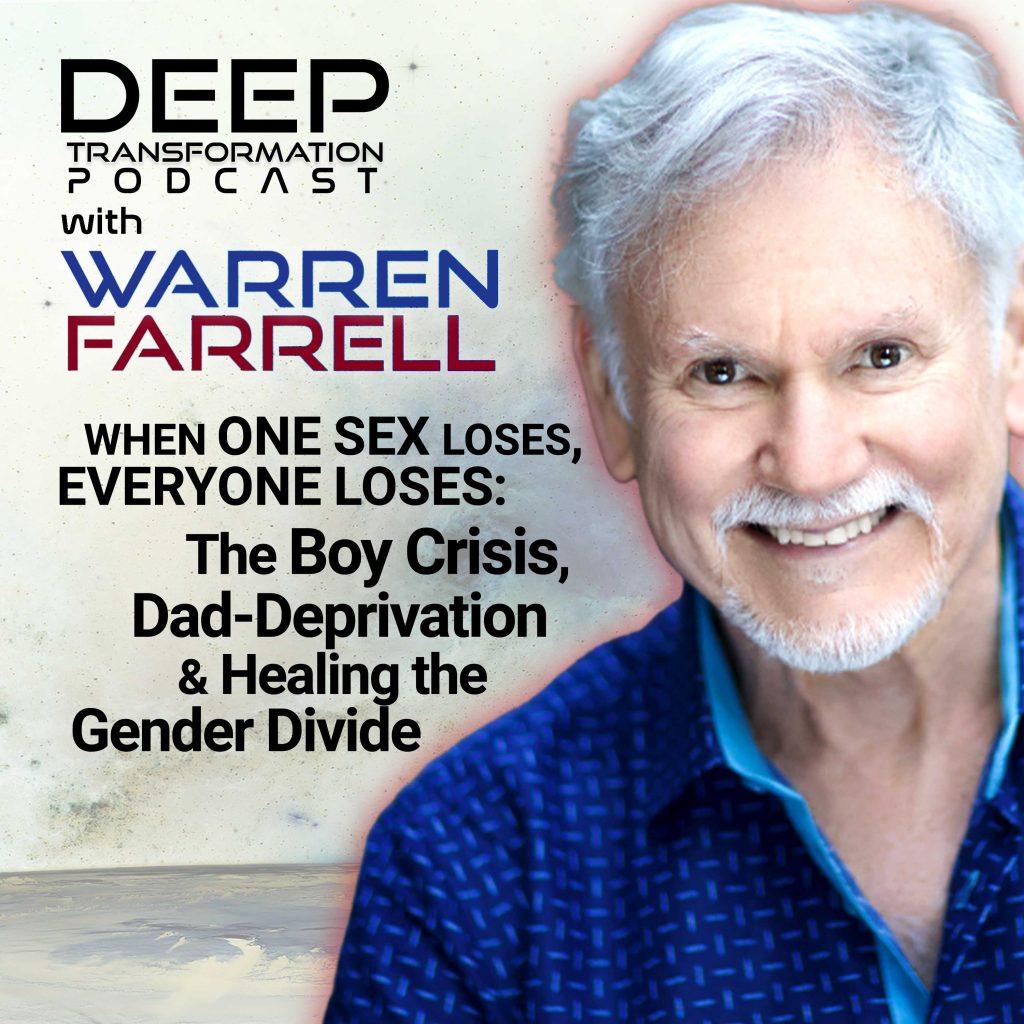
“We’re all in this together. We’re all in the same family boat.”
Ep. 234 | Renowned thought leader, speaker, and prolific author Warren Farrell has a passion for getting the truth out about issues that matter deeply—issues with enormous human consequences that might begin to heal if people better understood the forces driving these trends: the boy crisis, fatherlessness, the cultural tendency to vilify men, and the lack of healthy and effective communication between men and women. Warren has authored several data-driven bestselling books that go right to the heart of these matters, and in this conversation his expertise is clearly evident, right alongside his dedication to do everything he can to shift the evolution of the harmful idea that women are good but men are bad.
Warren has put himself on the line time and again to stand up for fatherless boys. He puts out a clarion call to couples to communicate with care, so that a father can be involved with the raising of a child, and in his books and workshops, Warren offers concrete steps to minimize children’s trauma, such as his four must-do’s after a divorce and the caring and sharing practices he teaches couples around accepting criticism without getting defensive. Immensely insightful, immensely practical, Warren points the way forward through a territory that has become murky, difficult, and hateful. Guaranteed, you will learn things about our contemporary culture you didn’t know before, and be inspired to do what you can to heal the disastrous divide between the sexes. Recorded September 25, 2025.
Read MoreThe Practice of Equanimity: Cultivating a Heart Big Enough to Hold Everything
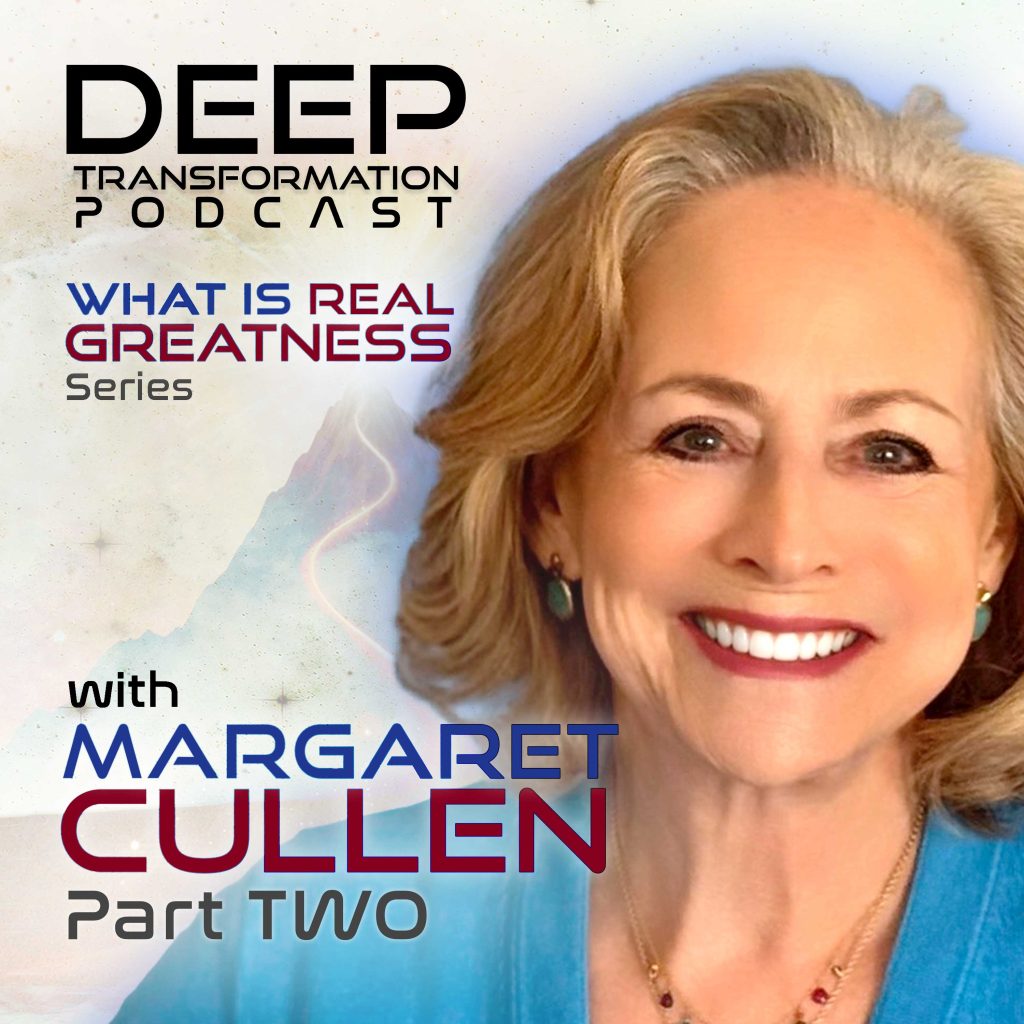
“What aids in my equanimity more than anything else is self-forgiveness.”
In part 2 of our What is Real Greatness Series podcast with Margaret Cullen, author of Quiet Strength, Margaret continues to enlighten us about equanimity: its power, its wisdom, and its practice. She relates some of the history of equanimity—first considered a supreme virtue in Stoicism, then passed on to Sufism and Judaism—and explains that throughout time, equanimity (and humility) have always been an integral part of people who have made a true difference in the world. Margaret talks about how humor can break the spell of our trance (“when we lose equanimity, we get caught in a trance, believing in something that has us prisoner—humor breaks the spell”), and, in the spirit of “The Serenity Prayer” (“Grant me the serenity to accept the things I cannot change, courage to change the things I can, and wisdom to know the difference”), she encourages us to make peace with what we can realistically do and let the rest go.
While Part 1 of this dialogue focuses on the power of equanimity in relation to the big picture and what is going on now politically, in Part 2 Margaret looks at practicing equanimity in personal relationships and in our individual lives. She marvels at Thoreau’s equanimous approach to his own death, and shares that she has found forgiveness to be the most important equanimity tool in relationships. “We reclaim our wisdom when we say ‘I’m sorry,’” Margaret explains. Margaret’s deep and nuanced understanding of the power and practice of equanimity is inspiring and illuminating, and bringing this virtue to our attention as a pragmatic tool we can use is also incredibly timely, leaving us with a sense of hope and empowerment. Recorded January 14, 2026.
Read More