Skip to content
Podcast Episodes
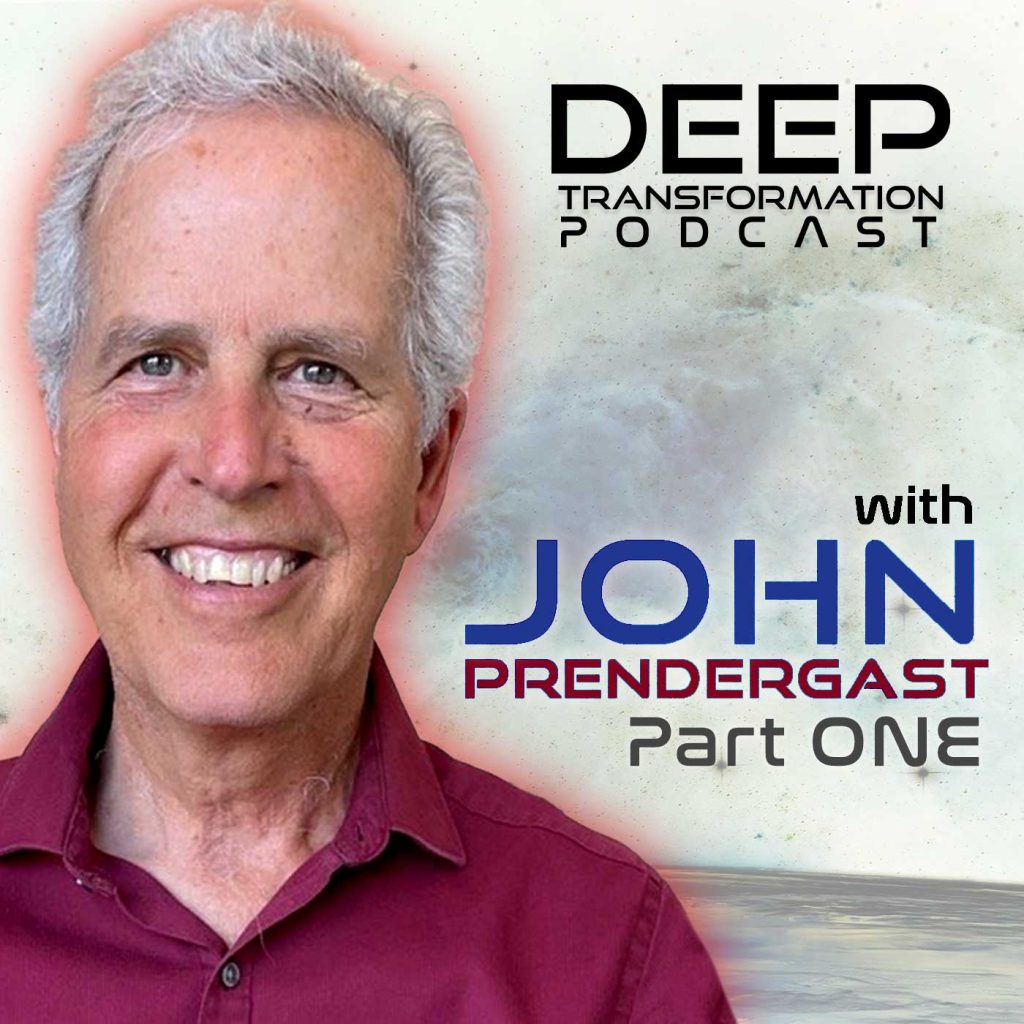
John Prendergast (Part 1) – Opening to Our Deepest Ground: Illuminating the Journey of Healing and Awakening
“Transcendence is a beautiful first step… but there’s a very important process of embodying awareness more and more deeply, in the physical body, in the subtle body.”
Ep. 179 (Part 1 of 2) | In this podcast, John Prendergast, spiritual teacher, depth psychotherapist (retired), and prolific author, eloquently lays out the territory we encounter on the spiritual path as we move towards opening to our deepest ground. John defines deepest ground as “ungraspable and unfathomable, something we can know intimately as a quality of awareness, unbounded and open.” “When we touch into this,” he continues, “we move from a place of love, peace and groundedness.” In working with students and clients over four decades, John says the presence or absence of ground has been the most important theme.
John has a gift for communicating exactly what is most useful for a spiritual practitioner to hear: taking an integral and nondual approach different from traditional psychotherapy, he invites us to evoke presence—welcome the experience, welcome the fear of annihilation—let go of ordinary knowledge and allow a translucent, transformative space to emerge around ordinary mind. Blending archetypal wisdom and guidance with spacious emptiness, John explains that opening to unbounded awareness supports the process of individuation and actualization; he also weaves in an intriguing version of the hero’s journey, where the hero emerges from the underground, not as a figure of accomplishment and victory, but as a simple, humble being, void of ego. The rich wisdom and gentle guidance offered here is invaluable, worthy of listening to many a time. Recorded November 7, 2024.
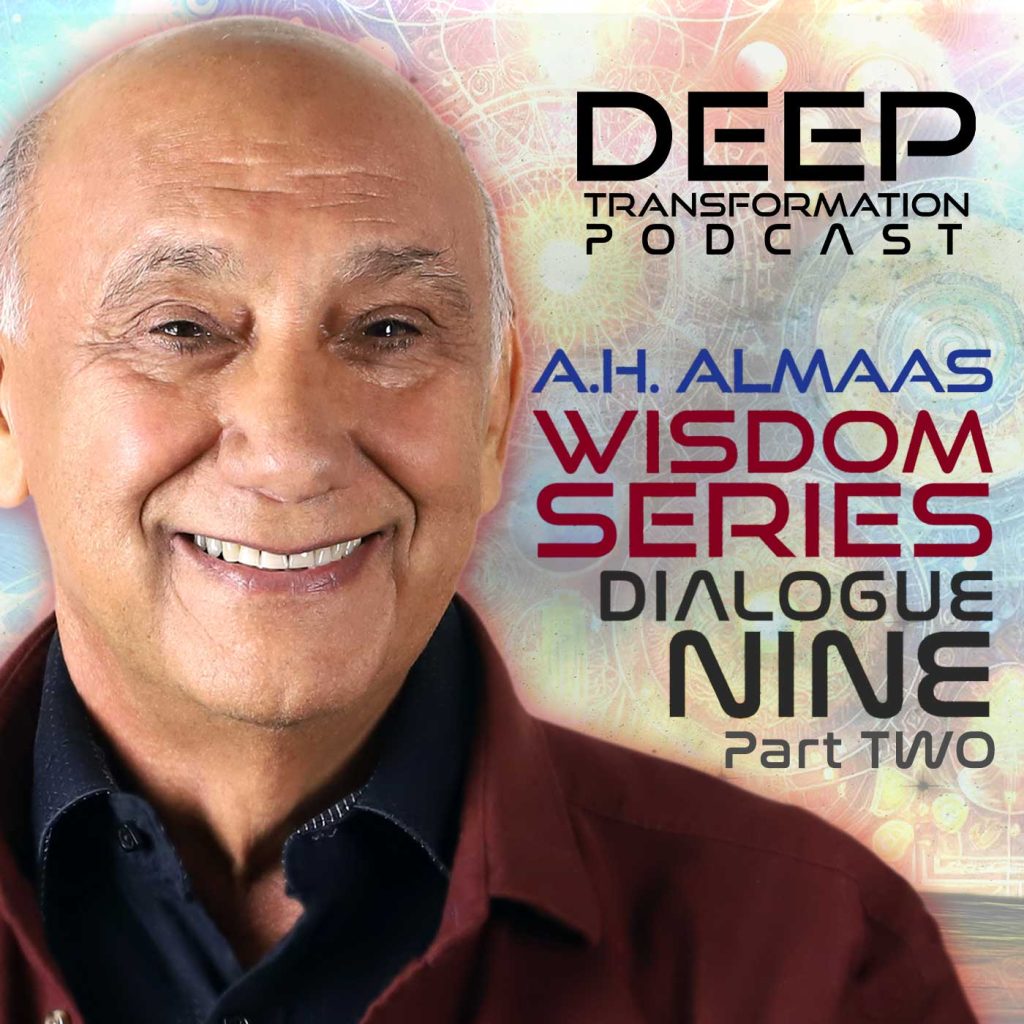
A. H. Almaas Wisdom Series (Dialogue 9, Part 2) -The Diamond Vehicle Revelations: True Nature’s Messages and Messengers of Wisdom
Ep. 178 (Part 2 of 2) | In the ninth dialogue of the A. H. Almaas Wisdom Series, Hameed gives a fascinating account of how four distinctly different wisdom teachings came to him in succession, directly from true nature, embodied in the form of diamonds. “In the beginning, I didn’t know…what the hell were these? Is it my imagination?” Hameed laughs. But then his colleagues and students experienced the diamondness too. Like angels of revelation, each diamond vehicle brings a different type of wisdom: the first diamond vehicle, Guidance, brings clarity and initiated the practice of inquiry; the second embodies the wisdom that pleasure is what we are, bringing an understanding of pleasure from a spiritual perspective; the third diamond vehicle holds the wisdom of how to conduct our lives from a place of truth, and the fourth the wisdom of true knowledge—knowing by being—the knowing that is needed for awakening.
Not only do we hear marvelous stories of how the diamond-shaped wisdom messengers appeared to Hameed, but he also imparts a wonderfully comprehensive yet succinct rendering of the teachings they brought, and the conversation flows from embodying wisdom to embodying pleasure, the inward turn, and why bliss must be combined with emptiness for enlightenment to occur. Also, how to live a life of truth with the inner compass provided by the third diamond teaching, the pitfalls of the ego’s tendency to accommodate others, how being is inseparable from knowing, and lots more. A very full, warm, rich conversation, filled also with humor, sparkle, and delight. Recorded January 30, 2025.
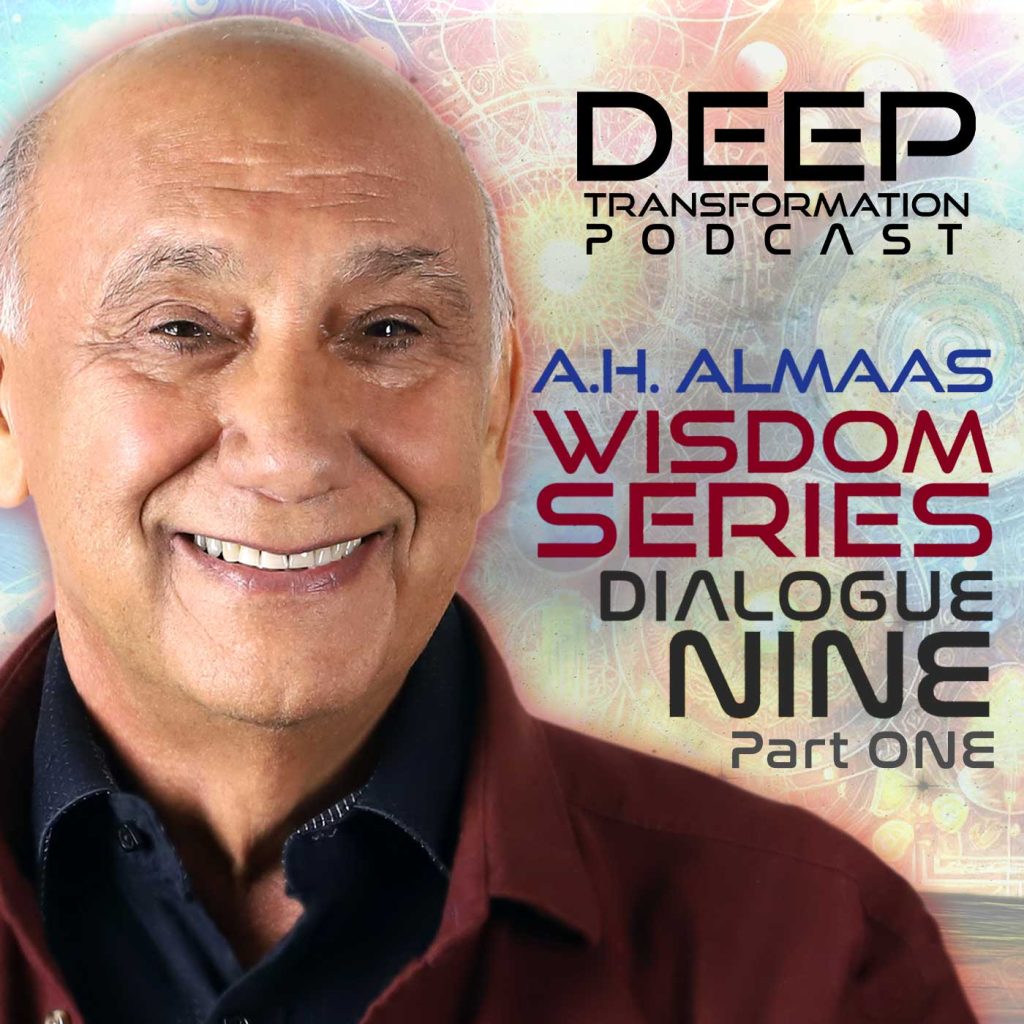
A. H. Almaas Wisdom Series (Dialogue 9, Part 1) -The Diamond Vehicle Revelations: True Nature’s Messages and Messengers of Wisdom
Ep. 177 (Part 1 of 2) | In the ninth dialogue of the A. H. Almaas Wisdom Series, Hameed gives a fascinating account of how four distinctly different wisdom teachings came to him in succession, directly from true nature, embodied in the form of diamonds. “In the beginning, I didn’t know…what the hell were these? Is it my imagination?” Hameed laughs. But then his colleagues and students experienced the diamondness too. Like angels of revelation, each diamond vehicle brings a different type of wisdom: the first diamond vehicle, Guidance, brings clarity and initiated the practice of inquiry; the second embodies the wisdom that pleasure is what we are, bringing an understanding of pleasure from a spiritual perspective; the third diamond vehicle holds the wisdom of how to conduct our lives from a place of truth, and the fourth the wisdom of true knowledge—knowing by being—the knowing that is needed for awakening.
Not only do we hear marvelous stories of how the diamond-shaped wisdom messengers appeared to Hameed, but he also imparts a wonderfully comprehensive yet succinct rendering of the teachings they brought, and the conversation flows from embodying wisdom to embodying pleasure, the inward turn, and why bliss must be combined with emptiness for enlightenment to occur. Also, how to live a life of truth with the inner compass provided by the third diamond teaching, the pitfalls of the ego’s tendency to accommodate others, how being is inseparable from knowing, and lots more. A very full, warm, rich conversation, filled also with humor, sparkle, and delight. Recorded January 30, 2025.
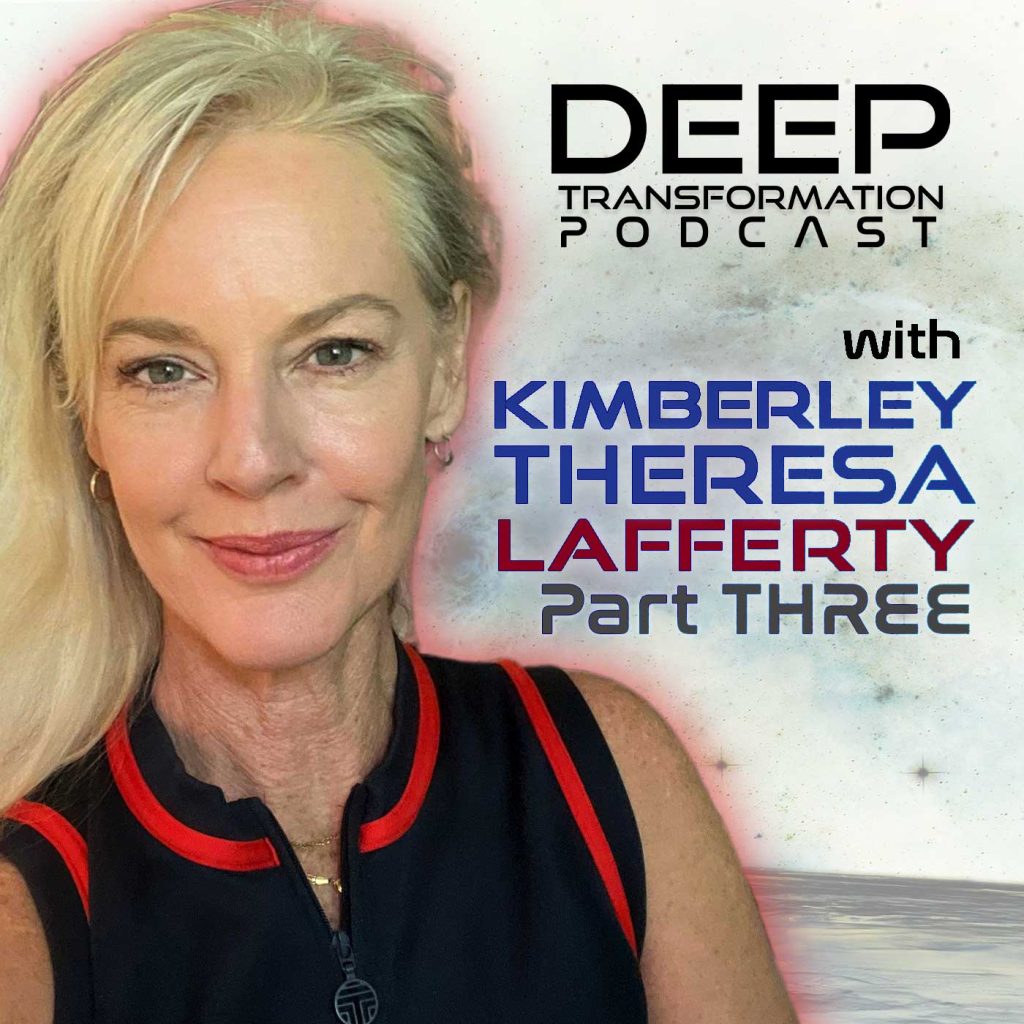
Kimberley Lafferty (Part 3) – The Path of Wisdom, Heart, and Ethics: A Developmental Perspective on the Journey of Awakening
“How can I reconstruct myself to be truth, goodness, and beauty?”
Ep. 176 (Part 3 of 3) | Longtime spiritual practitioner, gifted teacher, Tibetan Buddhist lama, and developmental psychology specialist Kimberley Lafferty integrates contemporary psychology and wisdom tradition in this lively, luminous conversation about the process of awakening, the evolution of ethics, and the extraordinary capacities that come online as we mature into later stages of development. What do developmental perspectives have to add to our understanding of human nature and to spiritual practice? Our meaning-making shifts radically as we develop, Kimberley says, and because of that our reality itself shifts. This is why communicating with people with very different points of view can fail so miserably—one person’s reality is simply not the same as the next person’s reality. We need to discern, what is their meaning-making reality in this moment? What is ours?
Throughout, Kimberley grounds the discussion in practical, real-life scenarios; she also shares intriguing research on later stage development that has found that as we mature, our senses evolve: our hearing evolves to deep attunement; our seeing evolves to witnessing, our capacity of touch evolves to embody presence. It’s exciting and inspiring to see the road ahead, to acquire new insights and tools to improve communication across cultural (and age) divides, to have the concept of bodhicitta unpacked so deftly and common misperceptions about emptiness corrected—and to witness Kimberley’s wise and zesty approach to life: “What connects us all is our luminous, aware consciousness,” she says, “and if we can lean into the messiness, I think we can find our way through.” Recorded October 3, 2024.
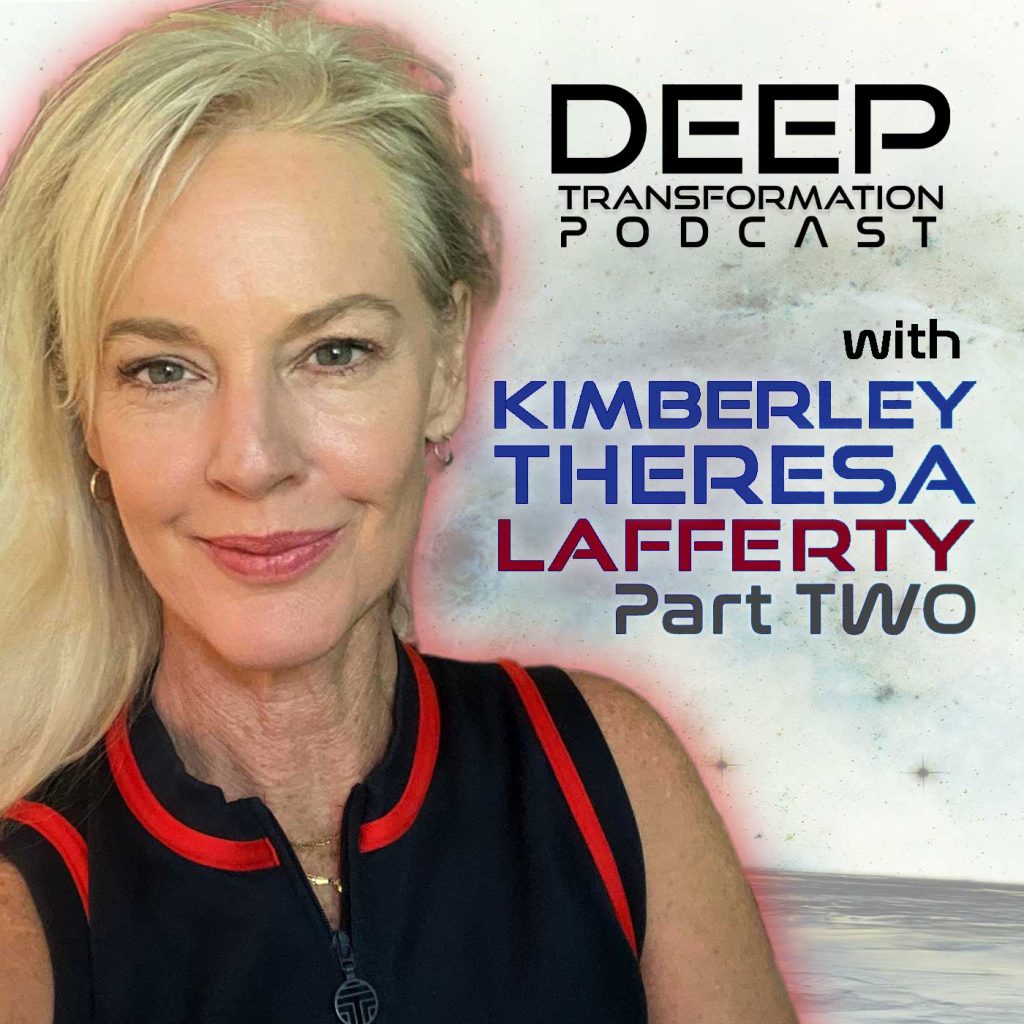
Kimberley Lafferty (Part 2) – The Path of Wisdom, Heart, and Ethics: A Developmental Perspective on the Journey of Awakening
“If we have no traditional spiritual boundaries to teach our children, we end up raising narcissists.”
Ep. 175 (Part 2 of 3) | Longtime spiritual practitioner, gifted teacher, Tibetan Buddhist lama, and developmental psychology specialist Kimberley Lafferty integrates contemporary psychology and wisdom tradition in this lively, luminous conversation about the process of awakening, the evolution of ethics, and the extraordinary capacities that come online as we mature into later stages of development. What do developmental perspectives have to add to our understanding of human nature and to spiritual practice? Our meaning-making shifts radically as we develop, Kimberley says, and because of that our reality itself shifts. This is why communicating with people with very different points of view can fail so miserably—one person’s reality is simply not the same as the next person’s reality. We need to discern, what is their meaning-making reality in this moment? What is ours?
Throughout, Kimberley grounds the discussion in practical, real-life scenarios; she also shares intriguing research on later stage development that has found that as we mature, our senses evolve: our hearing evolves to deep attunement; our seeing evolves to witnessing, our capacity of touch evolves to embody presence. It’s exciting and inspiring to see the road ahead, to acquire new insights and tools to improve communication across cultural (and age) divides, to have the concept of bodhicitta unpacked so deftly and common misperceptions about emptiness corrected—and to witness Kimberley’s wise and zesty approach to life: “What connects us all is our luminous, aware consciousness,” she says, “and if we can lean into the messiness, I think we can find our way through.” Recorded October 3, 2024.